
 All Case StudiesConstructionManufacturingEquipment DealersTrade Show
How Video Marketing Helps Industrial Companies Close More Deals Faster
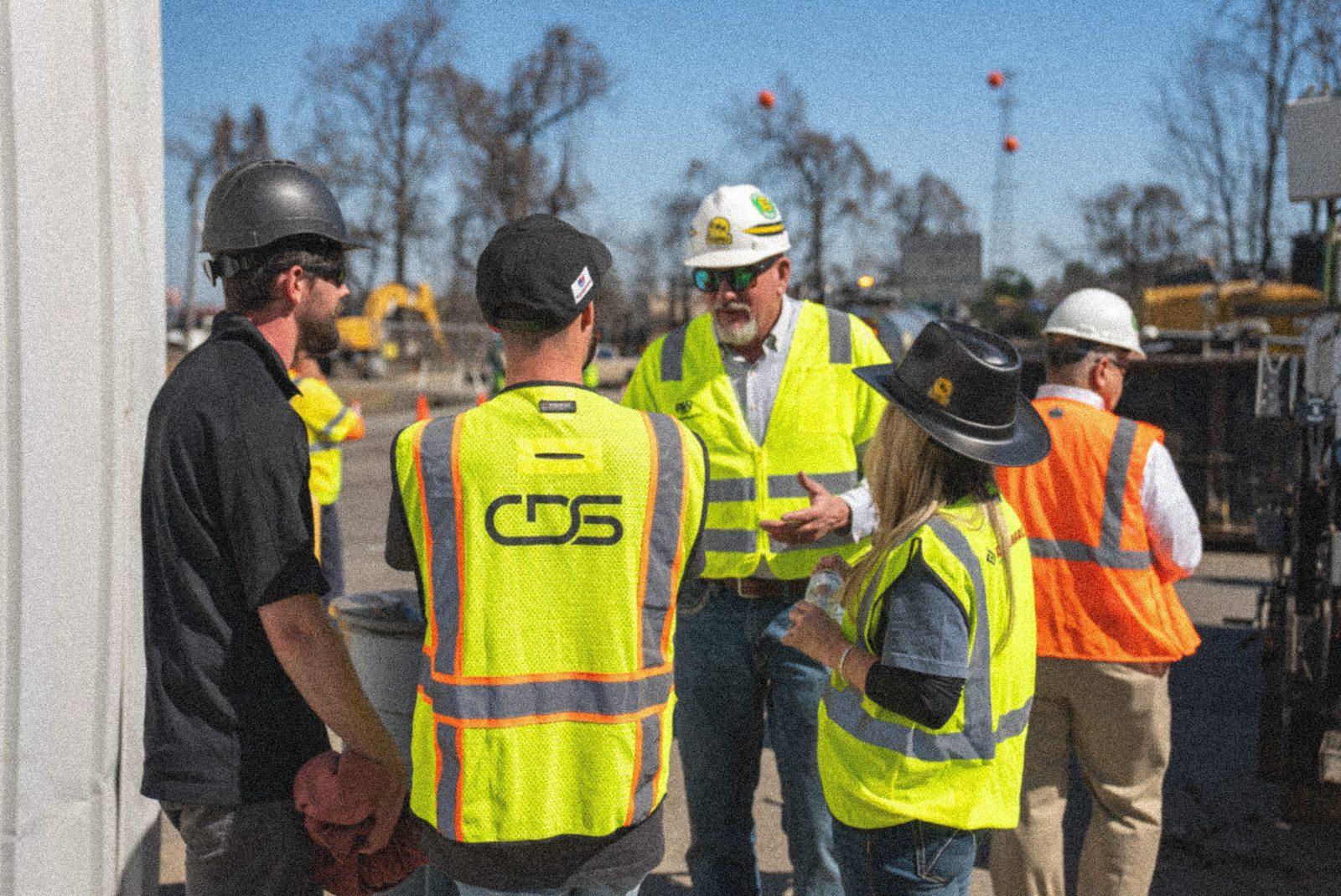
By the time an industrial buyer calls you, he has already made most of his decision.
He has watched walkarounds. He has compared you to two competitors on YouTube. He has looked for somebody in his trade who uses your equipment. All of that happened before your phone rang, and none of it involved your sales team.
That is the shift. The question is no longer whether to make video. It is whether your video is doing that job for you or for the other guy.
Buyers want to see it before they commit to it
When somebody is buying heavy equipment, industrial tooling, or a specialized service, a description is not enough. He wants to see:
- The machine working on a real jobsite, not a clean floor
- How an operator interacts with it through a full cycle
- What the finished work looks like
- Whether it solves the specific problem he has
A product walkaround does that in three minutes. Your rep would need three calls, and the buyer would still be guessing.
Video shortens the cycle by front-loading the answers
Industrial deals take weeks or months because a prospect needs several touches before he is comfortable. Most of those touches are the same conversation repeated.
Video removes the repetition. A brand film explains who you are. A walkaround explains what the machine does. A customer testimonial confirms it holds up. Send those in the right order and your prospect arrives at the call already convinced of the basics.
The deal does not get easier. It gets shorter.
Make the website carry more of the load
Most industrial websites are catalogs. They list. They do not sell.
Adding video to the pages that matter — the product page, the service page, the about page — does four things:
- Holds a visitor long enough to understand what you do
- Explains a technical product without a wall of text
- Shows proof of performance instead of claiming it
- Gives a buyer a reason to trust you before he talks to anyone
How-to and service videos keep paying after the sale. They cut support calls, speed up onboarding, and give your dealers something to hand a new customer.
Trade show content should not die on Friday
A show is one of the biggest line items in an industrial marketing budget, and for most companies the return ends when the booth comes down.
Covered properly, three days on the floor produce months of content: product launches, live demos, customer conversations, and testimonials from people who came to you.
The companies that treat a show as a production week — not just a booth week — get a different number back.
"We believe CDS helped us receive twelve times our investment for that show." — Laura Hickman, BrandSafway
Trust is the actual bottleneck
Your prospect is not only evaluating the machine. He is evaluating whether your company will still answer the phone in year three.
Video is the fastest way to show that, because it shows the parts a spec sheet cannot: your crew working, your process, your finished jobs, and customers who already took the risk you are asking this one to take.
When a prospect watches somebody in his own trade succeed with your product, the hesitation goes away on its own.
One video is not a strategy
The companies getting results are not the ones who commissioned a nice brand film in 2023. They are the ones producing consistently across formats — brand, product, testimonial, how-to — so there is something appropriate to send at every stage.
Awareness, consideration, decision. If you only have content for one of the three, the other two are where you are losing deals.
The short version
Video is not a branding exercise in this industry. It is part of how the deal gets done.
It teaches the buyer, backs up your reps, and multiplies the money you already spent on shows. Build the library, put it where the decision happens, and stop making your sales team explain the same thing forty times.
What Actually Drives the Cost of a Video Program
Why Industrial & Manufacturing Companies Need a Video Marketing Strategy in 2026
A hype video out by Friday — and 12x the return on one trade show.

Fort Mill, SC 29708