
 All Case StudiesConstructionManufacturingEquipment DealersTrade Show
Why Industrial & Manufacturing Companies Need a Video Marketing Strategy in 2026
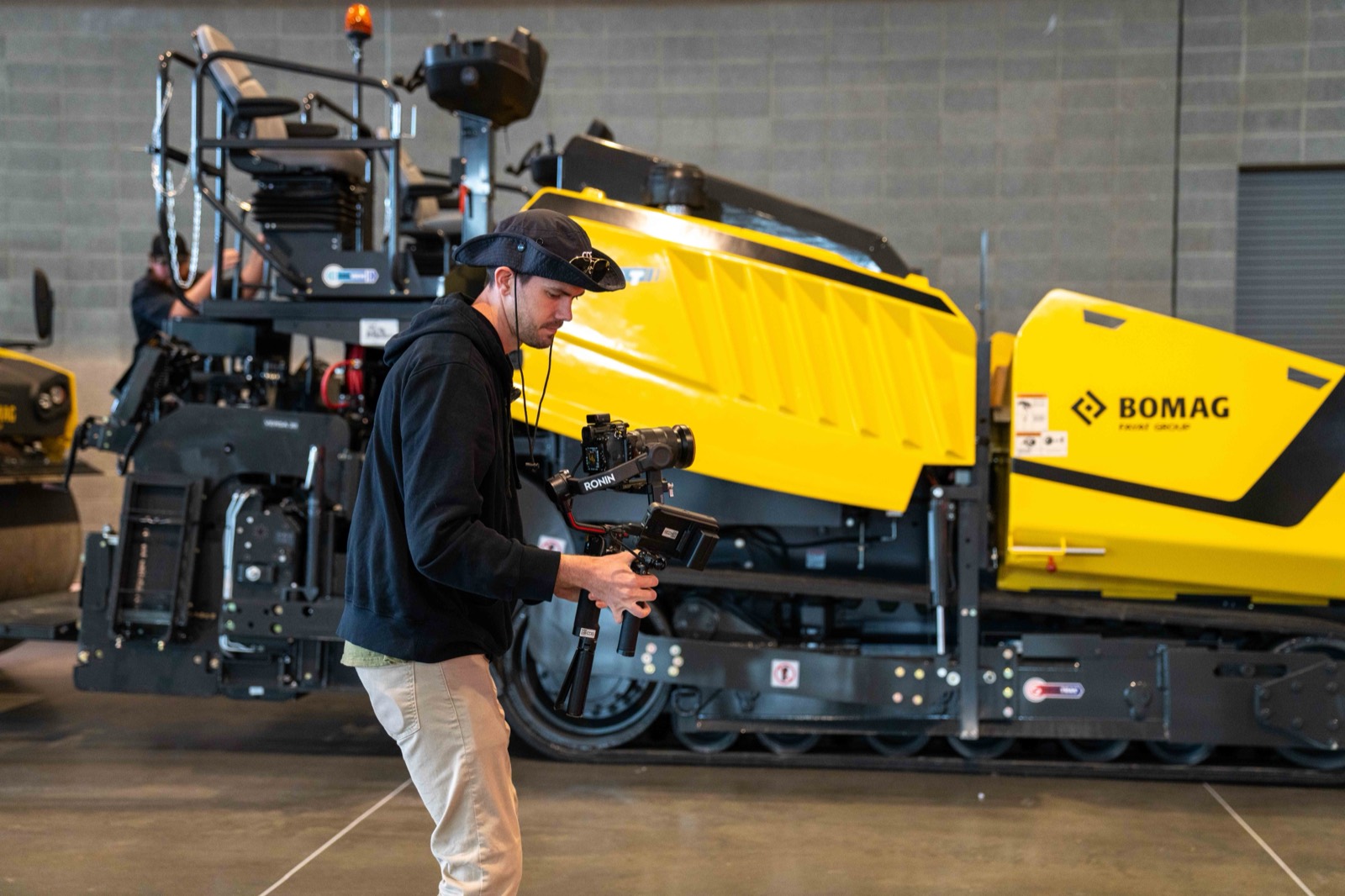
Most industrial companies do not have a video problem. They have a plan problem.
They shot a brand film two years ago. Somebody's nephew got a drone shot at the last show. There are forty-three clips on a hard drive nobody can find. None of it works together, so none of it compounds.
Meanwhile the buyer is on YouTube comparing you to a competitor who posts every month. Here is what a real plan looks like.
Your buyer researches long before he calls
In heavy equipment, paving, aggregates, and industrial manufacturing, nothing gets bought casually. Decision-makers are looking for:
- The machine running in jobsite conditions, not a showroom
- What actually makes it different from the other bid
- Contractors and operators who already own one
- Straight answers on service, parts, and support
A product walkaround handles the first layer of that education so your team is not repeating itself. That is the whole argument for doing it deliberately instead of occasionally.
Complex products need motion
A brochure cannot show a cycle time. A photo cannot show scale. Copy cannot show a machine holding grade.
This is where the format choice matters. A brand film establishes who you are and why you are still here. A short promo makes one point hard. A walkaround teaches. A how-to keeps the customer productive after delivery. They are different tools, and using one where you needed another is why so much industrial video underperforms.
Trade shows should not end when the booth closes
Shows are powerful and short. If you are spending on a major event, plan the content before you plan the carpet.
Covered properly, a show gives you:
- Product launch footage while the reveal is still news
- Testimonials from customers who walked up on their own
- Booth and demo coverage that proves you were there
- Same-week social cuts, while the industry is still paying attention
The timing is the whole point. Content that posts three weeks after a show is an archive. Content that posts that night is marketing.
"We had our event on Thursday; by Friday that hype video had gone out and was already getting engagement, which was stunning to me." — Laura Hickman, BrandSafway
Testimonials do work a written review cannot
A written review builds a little credibility. A customer on camera, on his own site, builds trust.
In industrial markets buyers still make decisions with their gut, and hearing a real operator speak plainly about your machine settles the gut faster than any datasheet. That is why testimonials consistently outperform on YouTube and LinkedIn — they answer the only question that matters: does this hold up in the real world?
Give your sales team something to send
Industrial reps live in a truck. They need assets that work without them in the room.
A rep with a library of walkarounds, testimonials, and short service clips can follow up a meeting with the exact thing that answers the objection he just heard. That is the difference between a video budget and a sales tool.
Video does not replace your sales team. It stops them from repeating themselves.
Cadence beats one-off projects
The most common mistake is treating video as a project with an end date.
Plan it as a production schedule instead. One well-run shoot day at a customer site or on your floor should come back as a flagship piece, several short cuts, jobsite b-roll, at least one testimonial, and stills. Six to ten usable deliverables from one day, sized for the places you actually post.
That is how a small marketing team stays consistent without burning out.
"We've produced around two hundred videos with CDS Visuals, and each one has come out looking great." — BOMAG
The competition is getting louder
The companies winning in this market are not always the biggest. They are the ones who are easiest to understand.
When one brand has jobsite footage, real testimonials, clear demos, and consistent show coverage, and the other has a logo and a phone number, the buyer's shortlist writes itself.
The short version
Video in this industry is no longer a differentiator. It is the baseline.
Whether you are launching a product line, integrating an acquisition, opening a territory, or just tired of losing bids to a louder competitor, the fix is the same: a schedule, a format for each stage of the sale, and someone who shows up when the work is happening.
What Actually Drives the Cost of a Video Program
How Video Marketing Helps Industrial Companies Close More Deals Faster
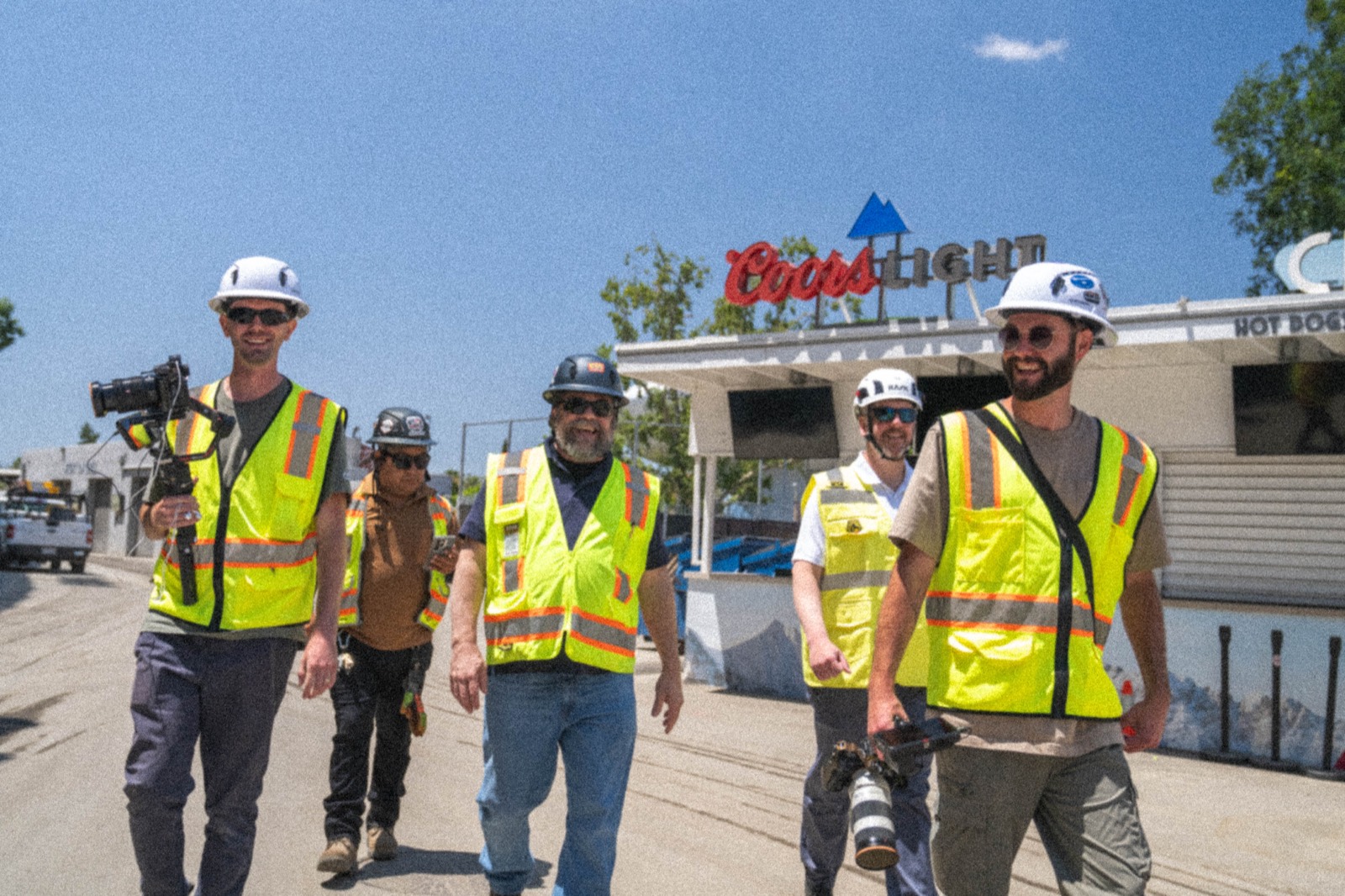
A hype video out by Friday — and 12x the return on one trade show.

Fort Mill, SC 29708