
 All Case StudiesConstructionManufacturingEquipment DealersTrade Show
How Heavy Equipment Dealers Market Parts and Service With Video
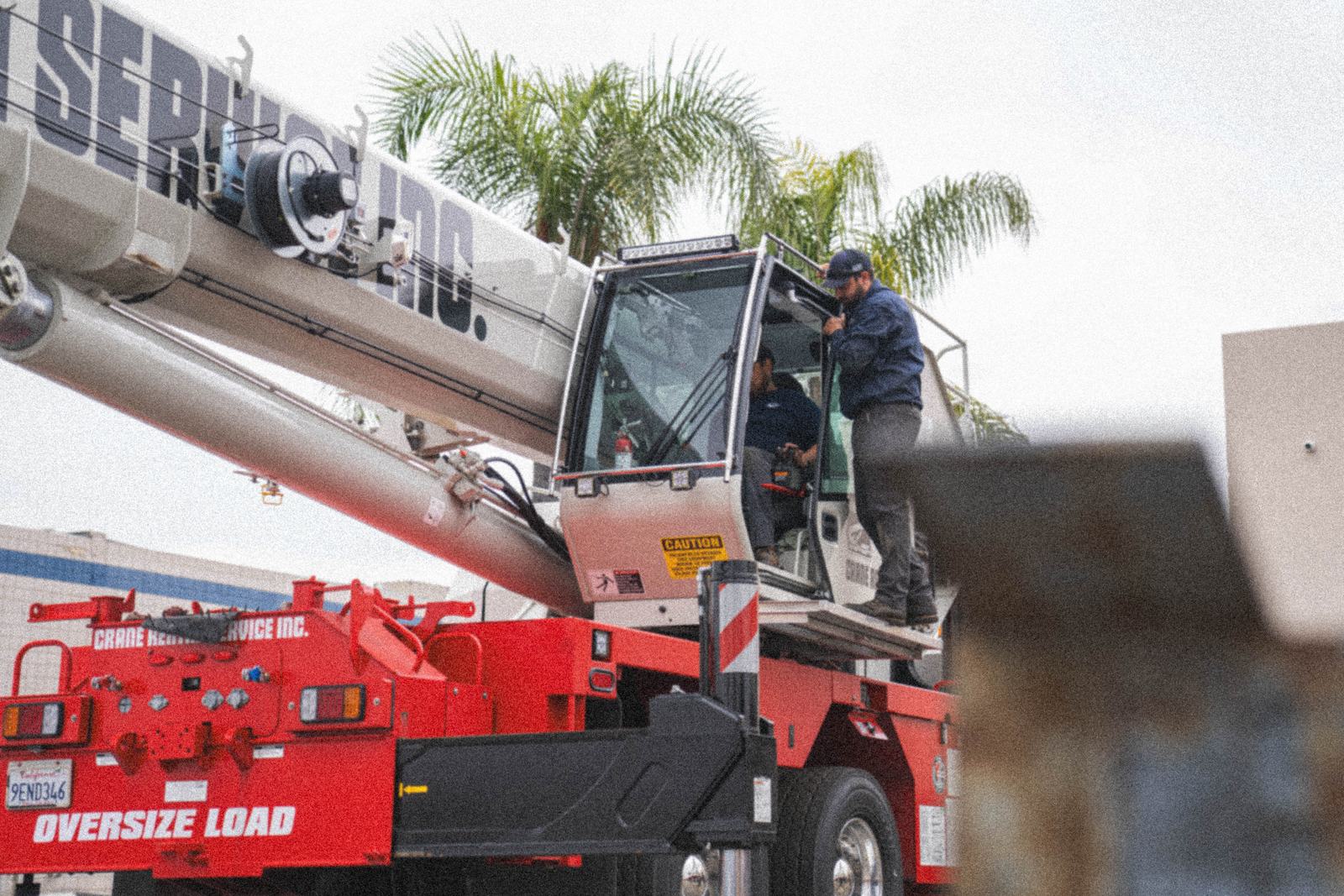
Every dollar of dealership marketing goes toward machines. Almost none of it goes toward the half of the building that pays the overhead.
Ask any dealer principal what he actually watches and it is absorption — whether parts and service gross covers the fixed cost of keeping the doors open. Ask him what his marketing looks like and it is machine listings, an OEM campaign, and a tent sale. There is a gap there, and it is not a small one.
The service department is the part of your business that keeps a customer for fifteen years. It is also the part nobody outside the building has ever seen.
Your customer does not know what your shop can do
This is not a marketing problem you invented. It is structural. A customer sees a salesman, a delivery truck, and an invoice. He never sees the bay, the field service truck at five in the morning, the parts counter, or the tech who has been rebuilding that model for eleven years.
So he assumes the dealer relationship is a machine transaction with a markup on it. Then he buys his next set of filters from whoever is cheapest online and puts his repair work with an independent shop, and nobody at your dealership ever finds out why.
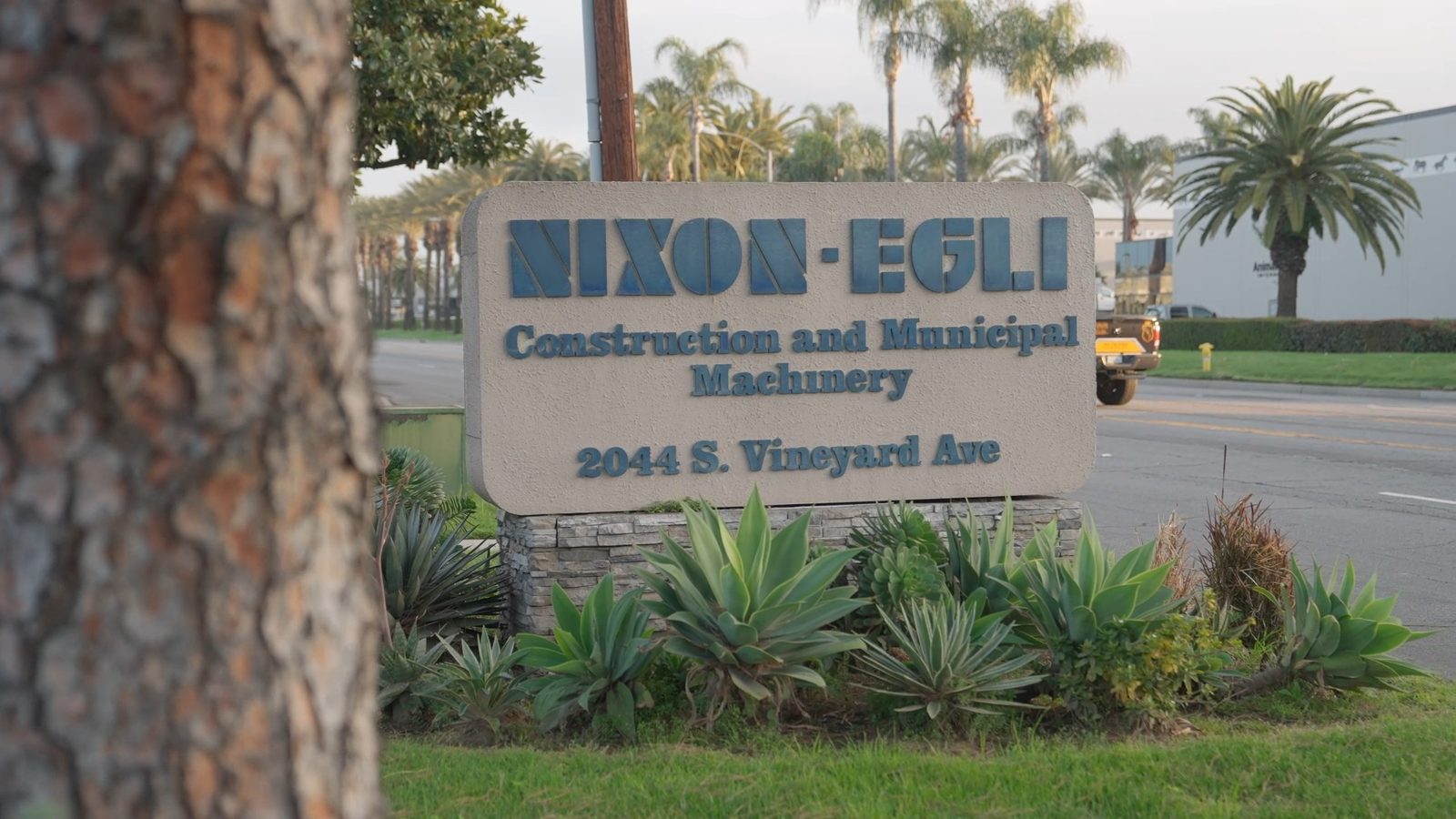
When we started with Nixon-Egli Equipment, one of the challenges they named up front was precisely this: "Explaining the dealer's role — prep, delivery, parts, service — to customers who underestimate it." Sixty years in business and that was still the thing the market had not figured out about them.
The service content that actually earns its keep
Five pieces cover most of it. None of them require anything to happen that is not already happening in your building this week.
1. The shop capabilities film
A walk through the bays showing the lifts, the tooling, the diagnostic equipment, the machine shop if you have one, and the size of the operation. This is the piece that changes how a customer thinks about you, because scale is the argument and scale is invisible on a website.
It is also the single easiest thing on this list to shoot, because it is standing there right now.
2. The field service truck
Half of what a customer buys from a dealer is not having to move a machine. A film of your service truck rolling to a site, a tech diagnosing in the field, and the machine running again by afternoon makes an argument that no line item on a service agreement can.
Shoot it on a real call. Staged trucks look staged, and this audience can tell.
3. Maintenance and how-to videos
Pull the ten questions your support line answers every week — filter intervals, greasing points, undercarriage measurement, screen changes, safe start-up, the fault code everybody misreads — and put each one on camera once.
These do three jobs at the same time. They cut repeat calls, they give your delivery team something to hand a new owner instead of a binder, and they get found on YouTube by people searching a model number who are not your customers yet.
4. The parts story
Nobody makes video about the parts counter, which is exactly why it works. What is on the shelf, what can be here tomorrow morning, what a will-call at six a.m. looks like, and who is behind the counter.
A customer choosing between your counter and a website is choosing on availability and on whether somebody will help him find the right number. Show both.
5. The rebuild
This is the best story in the building and almost nobody films it. A machine comes in tired, gets torn down, and goes back out. Shot as a before-and-after with the techs explaining what they found, it is proof of capability, a service department ad, and a used-equipment credibility piece all at once.
It also takes weeks, which means it costs you almost nothing to capture in pieces as it happens rather than as a production.
How-tos are a retention tool, not a support cost
There is a reflex in this industry that teaching a customer to service his own machine costs the shop work. In practice it does the opposite.
A customer who can do his own daily service keeps the machine healthier, which means when something real happens it is a repair instead of a replacement, and the repair comes to you because you are the one who has been helping him. A customer who was never shown anything treats the dealer as a last resort and calls whoever answers.
The same content pulls in people who are not customers yet. Somebody searching a fault code or a service interval on a machine you support is, by definition, in your territory with a problem you can solve.
Shoot it with a crew that can be in the shop safely
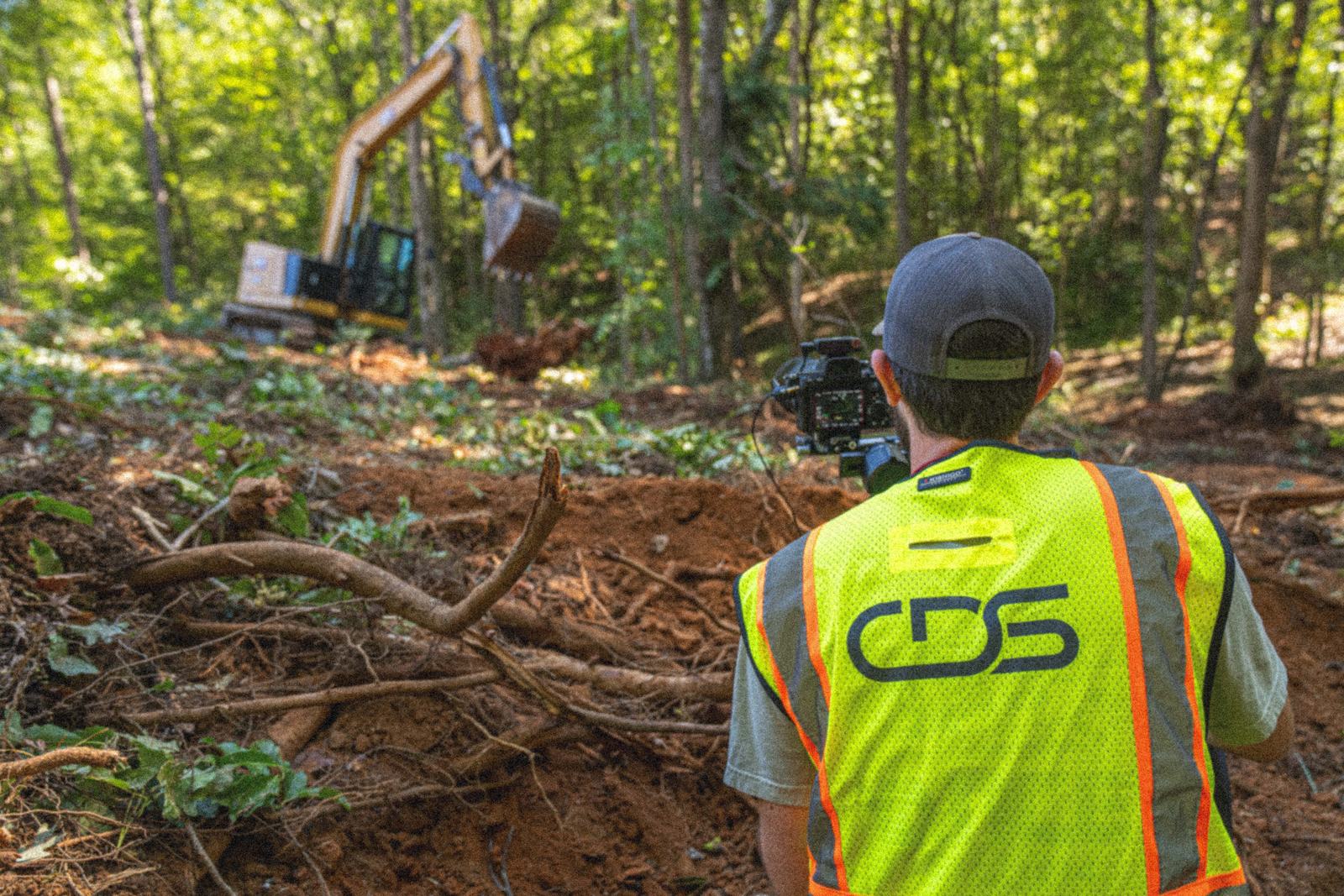
Service content means a camera inside a working bay, on a live jobsite with a field truck, or around a machine that is torn apart. That is not a place for a crew that has never been on a yard.
Yancey Bros. Co. named it as one of the four challenges on their content rebuild — "Safety first: real hesitation about putting a film crew on an active job site." That hesitation is correct, and the answer is a crew that shows up with its own PPE and knows how close it can stand to heavy equipment. Their marketing supervisor described the outcome this way: "Sometimes I felt like I'd even have to go looking for them, because they just kind of fit in."
The same standard applies to your shop. A crew that has to be supervised is not saving your service manager any time, and your service manager is the one person in the building with none to spare.
Where the content goes
Service content fails when it is treated like brand content and posted once. It works when it is put in front of somebody at the moment he is deciding.
- The service and parts pages of your site, which currently say very little and show less
- The delivery packet — a short set of how-tos handed over with the machine, not a binder
- Your PM and service agreement emails, where a shop tour makes the program make sense
- YouTube, titled by machine model and the job being done, so search finds it
- The rep's follow-up, because uptime is a sales argument and most reps have nothing to send about it
- Your customer events and open houses, where the shop is right there and nobody thinks to walk anybody through it
One more: the OEM. You own what gets shot for you, which means service content can be cut to whatever specs a manufacturer portal or a co-op program needs without starting over.
The hiring benefit is free
Everything on this list also recruits, and that is not a coincidence — it is the same footage.
A shop tour that makes a customer confident makes a technician curious. A field service film that shows a tech solving something makes another tech want that job. You are already paying to shoot the shop for the service argument. The recruiting cut comes out of the same day.
What actually drives the scope
The variables here are different from machine content, because service content is about access and timing rather than heavy equipment.
- How many locations, since shop capability is a local argument and a customer wants to see the branch he actually drives to
- How many how-tos, because each one is a setup, a machine, and a tech who has to be pulled off work
- Whether we can be in the field on a real service call, which depends on your customers agreeing, not on us
- Whether a rebuild is running, since that has to be captured over weeks as it happens
- Whether the content has to meet a manufacturer's delivery specs on top of yours
The most efficient version of this is a single day in the shop that comes back as the capabilities film, four or five how-tos, the parts counter piece, and a set of stills. That is the day worth booking first.
The short version
Machines get the marketing. Absorption comes from parts and service, and parts and service have no marketing at all at most dealerships.
Show the shop. Show the field truck. Put the ten questions your support line answers every week on camera once. Film the rebuild while it is happening. Then stop treating it as internal content and put it where a customer is deciding whether the dealer relationship is worth paying for.
How to Move Used Heavy Equipment Off Your Lot Faster With Video
How Heavy Equipment Dealers Use Video to Hire Service Technicians
Sixty years without marketing — until flights got canceled and they drove through the night anyway.

Fort Mill, SC 29708