
 All Case StudiesConstructionManufacturingEquipment DealersTrade Show
How to Move Used Heavy Equipment Off Your Lot Faster With Video
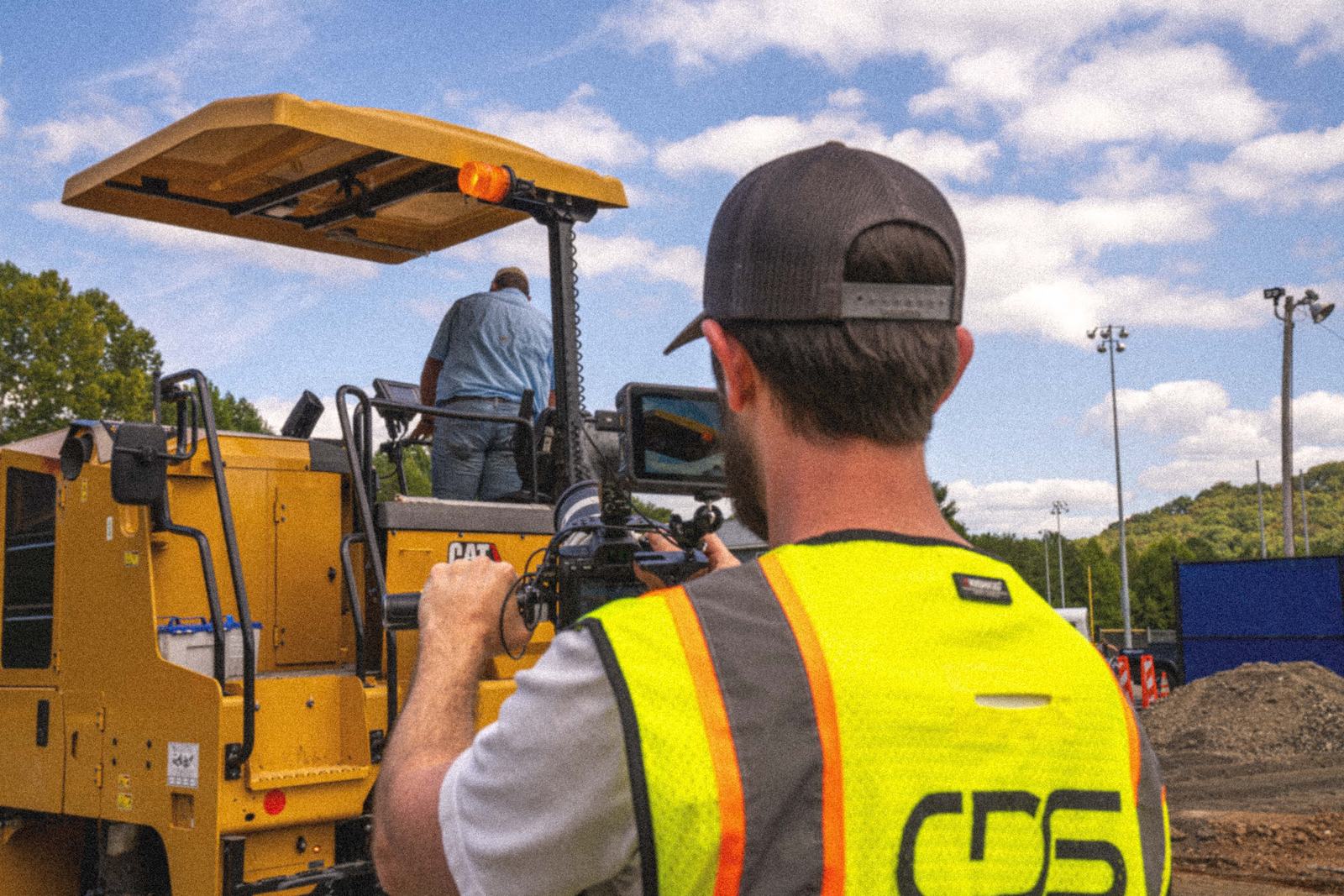
A used machine sitting on your lot is not inventory. It is a bet that gets more expensive every month it does not move.
The listing is usually twelve photos taken at noon in the back row, a year, an hour reading, and a phone number. That is the same listing every other dealer in three states has posted for the same model. Nothing in it answers the only question the buyer actually has, which is what kind of shape the machine is in.
Video answers it. Not a produced commercial — a walkaround that shows the heavy equipment honestly, start to finish, in the order a buyer would look at it if he were standing in your yard.
What a used-equipment buyer is really asking
He is not shopping for a machine. He is trying not to buy somebody else's problem.
Every question in his head is a version of that one:
- How hard was this thing worked, not just how many hours are on the meter
- Was it maintained, or was it run until something broke
- What is worn — undercarriage, ground engaging tools, pins and bushings, cutting edges
- What did the dealership actually do to it before it went on the lot
- Who do I call in eight months when something goes wrong
Photos answer maybe the first ten percent of that. A spec sheet answers none of it. And the longer he goes without answers, the more comfortable he gets with the idea of driving to an auction instead, where at least he can put his own hands on the machine.
Your competition is not the dealer down the road
It is the auction, the marketplace listing, and the guy selling out of his yard with a Facebook post.
Those channels beat you on one thing: they feel like an honest look at the machine. A dealer listing looks polished and, to a buyer who has been burned, polished reads as something being hidden. The fix is not more polish. It is more access.
A walkaround that shows the wear, the hour meter, and the undercarriage is the closest thing to standing on the lot that you can hand somebody three hundred miles away. It is also the one thing an auction lot cannot give him, because nobody at an auction is going to explain the machine to him or stand behind it afterward.
The walkaround is the answer, and it is not complicated
The most useful used-equipment video in this industry is boring on purpose. One machine, one continuous look at it, no music bed, no drone orbit.
A pattern that works, in this order:
- A slow lap of the exterior in even light — early or late, not noon, and not backlit against an open shop door
- A cold start with the sound left in. Buyers replay that clip more than any other.
- Hydraulics run through their full range — boom, stick, bucket, blade, drum, whatever the machine has
- The wear items up close: undercarriage, tracks or tires, cutting edges, GET, pins and bushings
- Inside the cab — seat, controls, glass, monitor, and the hour meter with the number readable
- A walk under and behind it, so nothing looks like it is being kept out of frame
That sequence is the same for a dozer, an excavator, a roller, or a paver. Once a crew has shot it twice, they can shoot it in fifteen minutes.
Leave the flaws in. A buyer who finds a scratch you did not show him stops trusting everything else in the video. A buyer who watches somebody point at a worn cutting edge and say it needs an edge decides you are straight with people, and stops auditing the rest of it.
Put your own person in the frame
The strongest version of this video has a human being in it, and it should not be a salesman. It should be the service manager or the tech who did the inspection.
That person is the most credible employee at your dealership on this particular subject, and putting him on camera costs you nothing you were not already paying for. He can say what the machine came off of, what was replaced, what was checked, and what he would keep an eye on. A rep saying the same words does not land the same way, and the buyer knows exactly why.
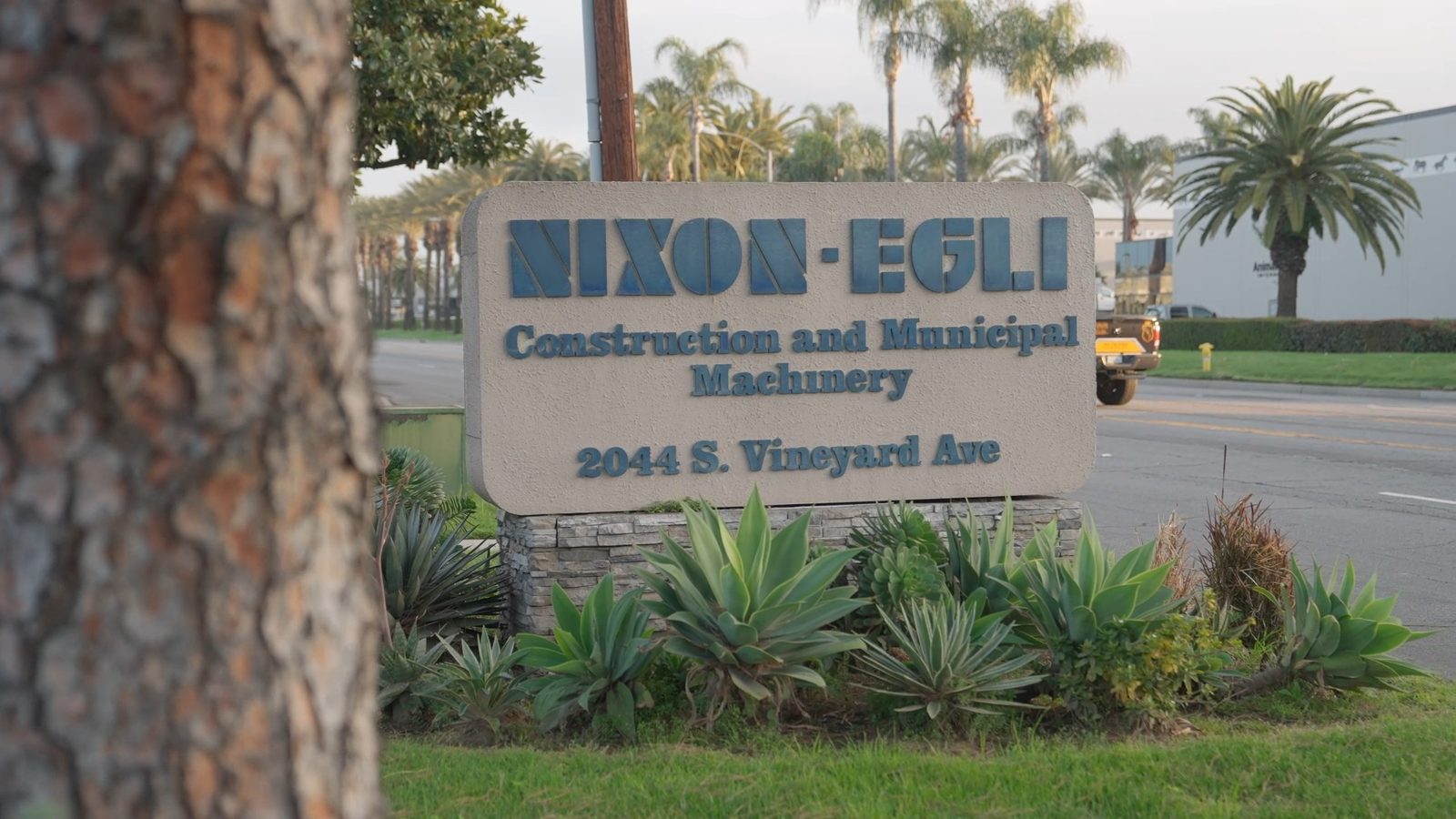
It also drags the invisible half of your business into a sales asset. When we started with Nixon-Egli Equipment — a California heavy-equipment dealer, sixty years in, that had never done any official marketing — one of the challenges they named was exactly this: "Explaining the dealer's role — prep, delivery, parts, service — to customers who underestimate it." A used walkaround with your own tech in it does that job in three minutes without anybody having to make the argument out loud.
Your name on the heavy equipment, not just the manufacturer's
Most dealers lean on OEM content. It is well made, it is free, and it is also running on the site of every other dealer who carries the line.
Yancey Bros. Co., Georgia's Caterpillar dealer, put the problem plainly when they rebuilt their content. One of the challenges on the list was "Localizing marketing so customers see Yancey's name on the iron, not just the OEM's." Same machine, same brand, but shot in their yard, with their people, in the territory the buyer actually works in.
Used inventory is where that matters most, because a used machine is not a catalog item. It is a specific unit with a specific history, and the only person who can tell that story is you.
"It's literally adding to your team, and that's the best benefit you can get." — Jenna Farmer, Marketing Supervisor, Yancey Bros. Co.
Where the video has to live to do any work
This is where most dealers give away the value they just created. The video gets posted to a company page, collects a few hundred views from people who will never buy a machine, and dies.
Put it in all of these instead:
- The listing page itself, at the top, not buried under a photo carousel
- Your marketplace and third-party listings, wherever the platform allows video
- YouTube, titled the way a buyer searches — year, make, model, and the word walkaround or used, never "Unit 4471"
- A rep's text thread, which is where a large share of used machines actually get sold
- The email that goes out to your own customer list the week a trade lands
The title is not a detail. A man searching a specific model number is the highest-intent traffic in this business, and he is also the easiest to reach, because most dealers name their videos after their own stock numbers instead of after the machine.
Shoot the row, not the machine
One unit at a time is the expensive way to do this, and it is why most dealers try it once and quit.
Treat it like a route instead. A crew should walk the whole used row in a morning and come off the lot with every unit covered, a stills set for the listings, and short vertical cuts for the feeds. The real cost is the drive and the light, and you pay that once whether you shoot one machine or fourteen.
Shoot a unit twice if it is worth it — once the day the trade hits the lot, and again when it comes out of the shop. The second one is always the better video, because now there is something to show for the work you put into it.
What actually changes the scope
The things that move the size of this job are not the things people ask about on the first call. It is not resolution, and it is not how many cameras come off the truck.
It is:
- How many machines, and whether they sit in one yard or across four branches
- Whether the units can be started and run, or whether they are dead-lined waiting on parts
- Whether anybody from the dealership goes on camera, which adds a setup and a conversation
- How fast you need it back, because used inventory is a clock and everybody knows it
- Whether you want stills and vertical cuts out of the same pass, which you should
A single-store dealer with a standing used row is a different job than a six-location group moving machines between branches all quarter. Both are worth doing. They are just not the same day.
The short version
A used machine does not sell because it got listed. It sells because a buyer two hundred miles away got close enough to it to stop worrying.
Shoot the walkaround the same way every time. Leave the flaws in. Put your service guy in it instead of your best closer. Title it the way somebody would actually search for it. Then finish the whole row before you drive home.
How Heavy Equipment Dealers Market Parts and Service With Video
How Heavy Equipment Dealers Use Video to Hire Service Technicians
Sixty years without marketing — until flights got canceled and they drove through the night anyway.

Fort Mill, SC 29708