
 All Case StudiesConstructionManufacturingEquipment DealersTrade Show
How to Hire the Right Production Team for Your Business
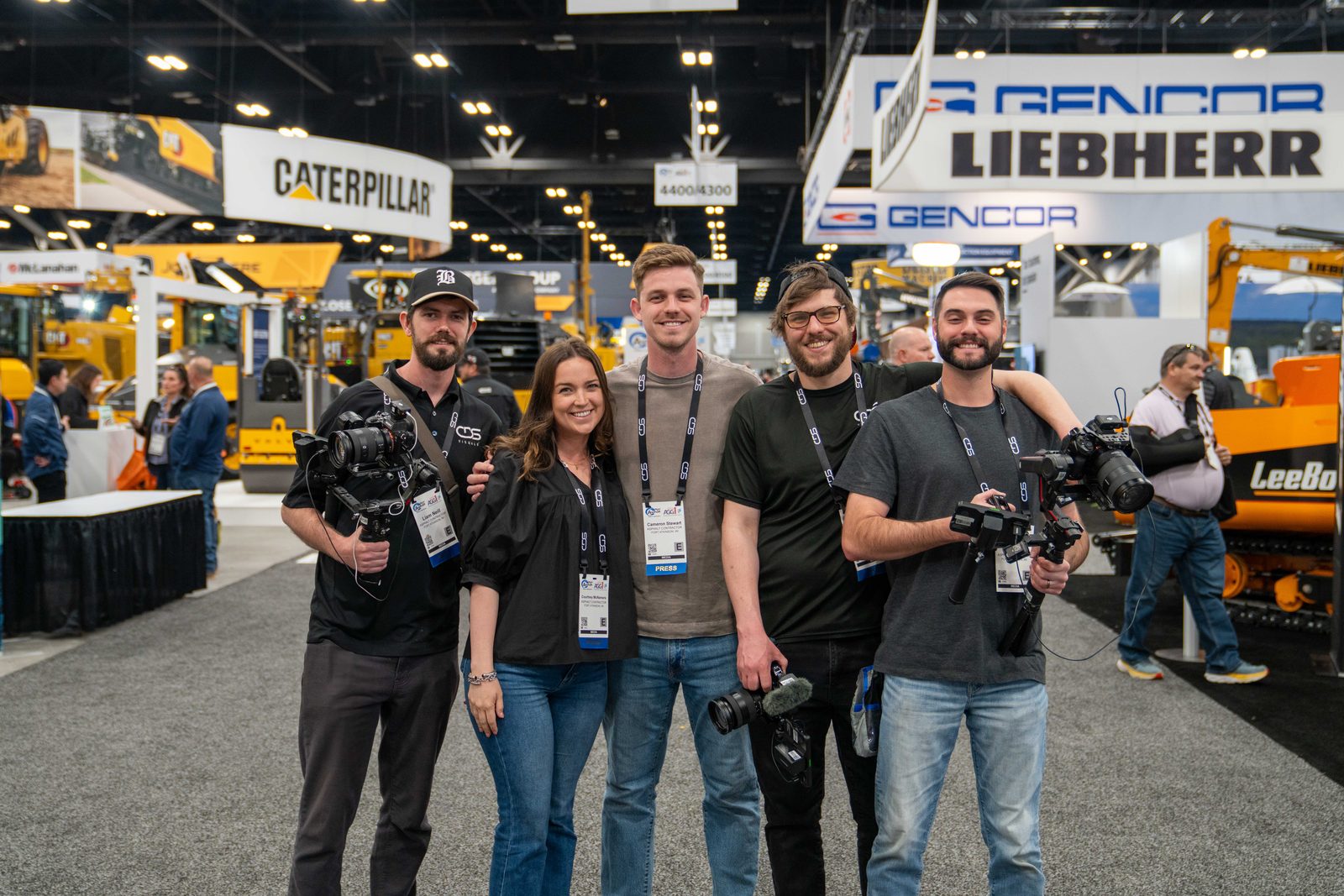
Every video crew has a good reel. That is the one thing you can count on.
The reel tells you what their best day looked like. It tells you nothing about what happens when the pour starts late, the wind picks up, the superintendent has forty minutes, and the machine only runs the demo once.
If you are a contractor, a manufacturer, or a dealer, here is what to check instead.
1. Decide what you actually need before you call anyone
Most bad video projects were badly defined, not badly shot.
Write down three things:
- What this video is supposed to change — bids won, machines quoted, applications received, support calls avoided
- Where it will live — product page, YouTube, booth monitor, a rep's follow-up email
- Who has to be on camera, and whether they have agreed to it
That third one sinks more shoots than anything technical. If your best superintendent has not agreed to be interviewed, you do not have a shoot day. You have a hope.
2. Ask whether they have worked in your industry
This is the biggest single predictor of how the day goes, and it is easy to check.
A crew that has never been on a site does not know what a paver crew does, so they ask for shots that do not exist. They do not know that the excavator will not stop for them. They do not know which part of the machine is the interesting part.
You end up teaching them your business on your dime, on a day when you had other things to do.
"You can work with a lot of great agencies, but they're not all going to understand industrial and technical content. That's where we really found they shined." — Brooks Safety Solutions (BHC)
Ask for two examples in your specific world — not "industrial," but paving, aggregates, structural steel, dealer service, plant floor. Then call one of those clients.
3. Check that they are safe to put on a site
This is non-negotiable and it is the question most buyers forget to ask.
Before you let anyone through the gate:
- Do they own and wear proper PPE without being told — hard hat, hi-vis, glasses, boots?
- Will they sit through your site orientation without complaining about it?
- Do they carry general liability and workers' comp, and can they produce a certificate naming you as additional insured?
- If drone work is involved, is the pilot certificated for commercial operation and will they handle the airspace authorization?
- Do they understand swing radius, blind spots, and staying out of the operator's way?
A crew that answers these easily has been on real sites. A crew that gets vague has not.
"They show up with proper PPE, ready to go, professional, they don't interrupt the customer's job site, and they still get amazing video content." — Gavin Singleton, Nixon
4. Find out how fast they deliver — and hold them to it
Turnaround is where most partnerships fall apart. The shoot is exciting. The four-week silence afterward is not.
Ask for specific numbers on their last three projects: shoot date to first cut, first cut to final. Ask how many rounds of revisions are included and what happens after that.
For anything time-sensitive — a trade show, a launch, an event — ask directly whether they edit on site. If they do not, your show content is going out three weeks late, and it will not matter how good it looks.
"I'm getting things from CDS within 24 to 36 hours that I can instantly post and use." — Laura Hickman, BrandSafway
5. Settle who owns what, in writing
This is the single most expensive thing people skip.
Get it in the agreement:
- Who owns the finished videos, and whether you can use them anywhere without asking
- Whether you get the raw footage and stills, and in what format
- How long they archive the project, and how you get files back later
- Music licensing — whether the license covers paid ads and how long it lasts
- Releases for anyone on camera, including customers and employees
If you cannot re-cut your own footage in two years without a phone call, you rented content instead of building a library.
"We receive still images and all of the raw assets to be able to utilize. It's so nice for a marketing team to have all of that." — Carly Hart, Pulte Group
6. Judge how much of your time they will cost
A marketing manager at a contractor or an OEM does not have a spare day a week to run a video vendor.
Ask how much involvement they expect from you: how many calls, who writes the questions, who handles scheduling with customers, who writes the captions and picks the thumbnail. Some crews hand you a file and consider the job done. Some deliver the file, the captions, the stills, and a note about where to use each piece.
"I haven't had to babysit them once, which is fantastic on a day when I'm working with about twenty different vendors." — Laura Hickman, BrandSafway
7. Call the references, and ask the right question
Do not ask a reference whether they were happy. Everyone says yes.
Ask what went wrong, and what the crew did about it. Every project has a bad hour — weather, a no-show, a machine that would not start. The answer tells you how they behave on your worst day, which is the only day that matters.
Then ask whether they would use them again for something time-critical.
The short version
Reels are marketing. Sites, safety, turnaround, ownership, and references are the job.
Define the outcome first. Hire people who have already worked in your world. Get the file rights in writing. Then let them do the work — the right crew should cost you almost none of your own time.
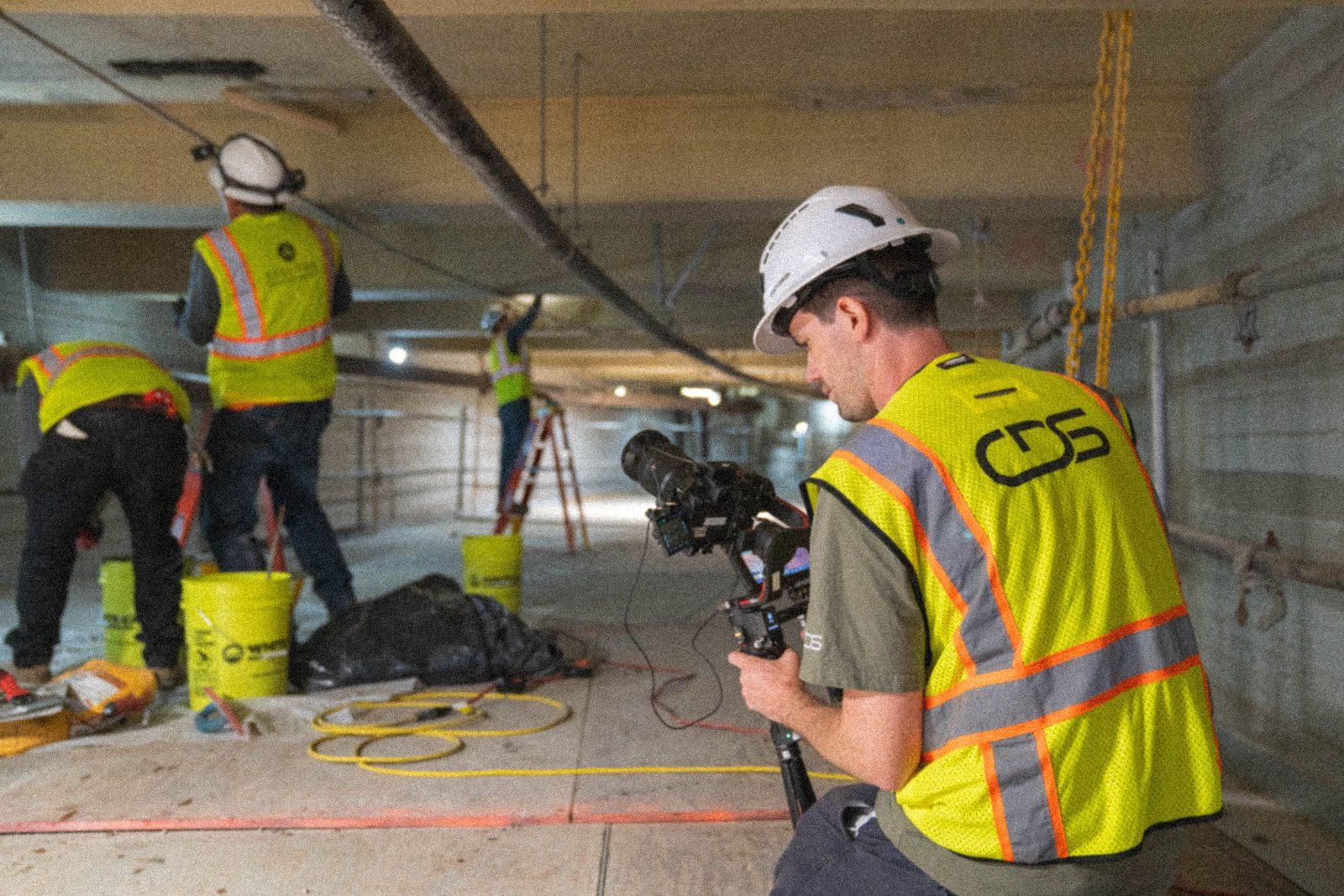
How to Run a Shoot on a Live Jobsite Without Losing a Day
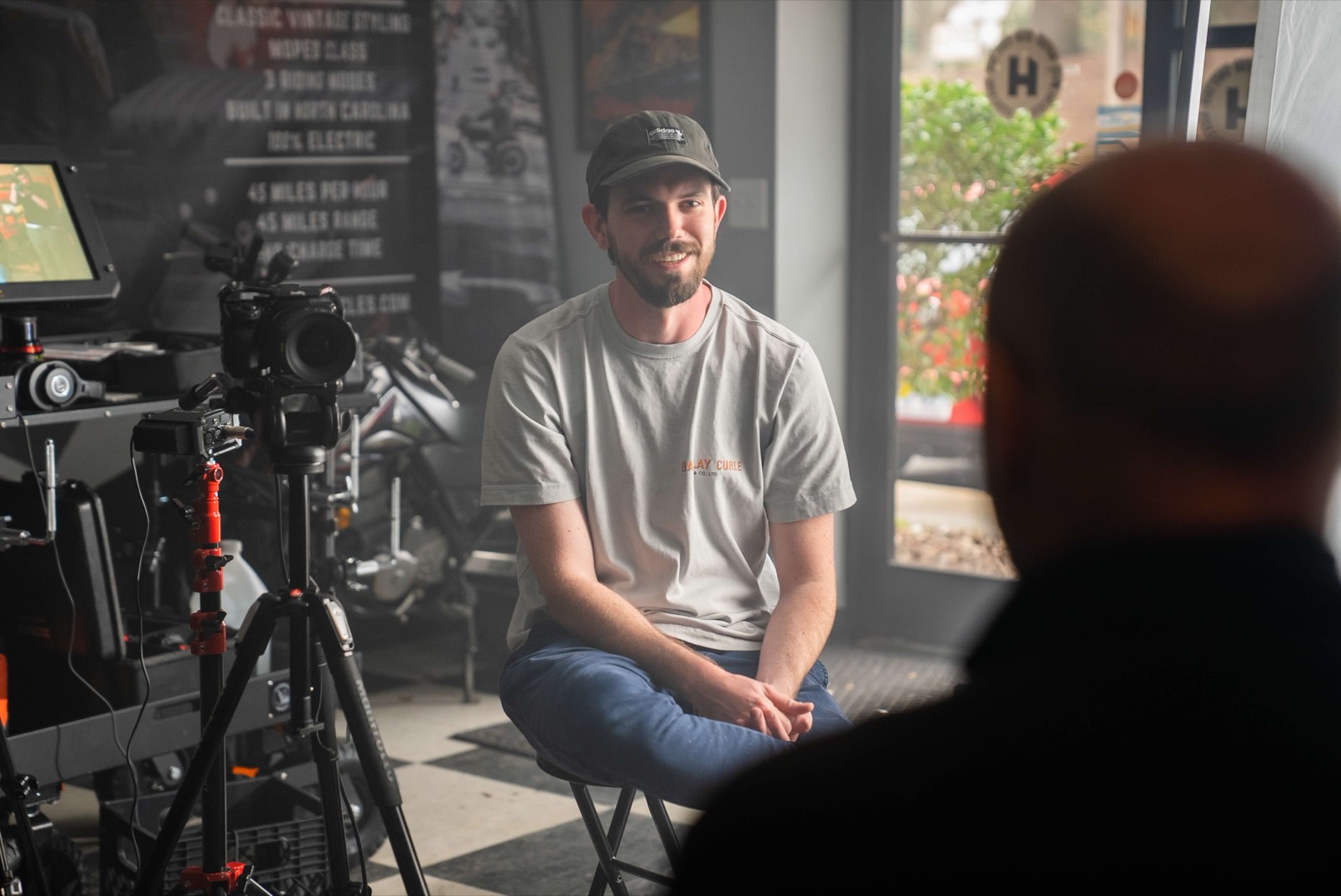
Why Testimonial Videos Are One of the Most Powerful Sales Tools for Industrial Companies
Best Marketing Video of 2024 — and Contractor of the Year the following year.

Fort Mill, SC 29708