
 All Case StudiesConstructionManufacturingEquipment DealersTrade Show
How to Run a Shoot on a Live Jobsite Without Losing a Day
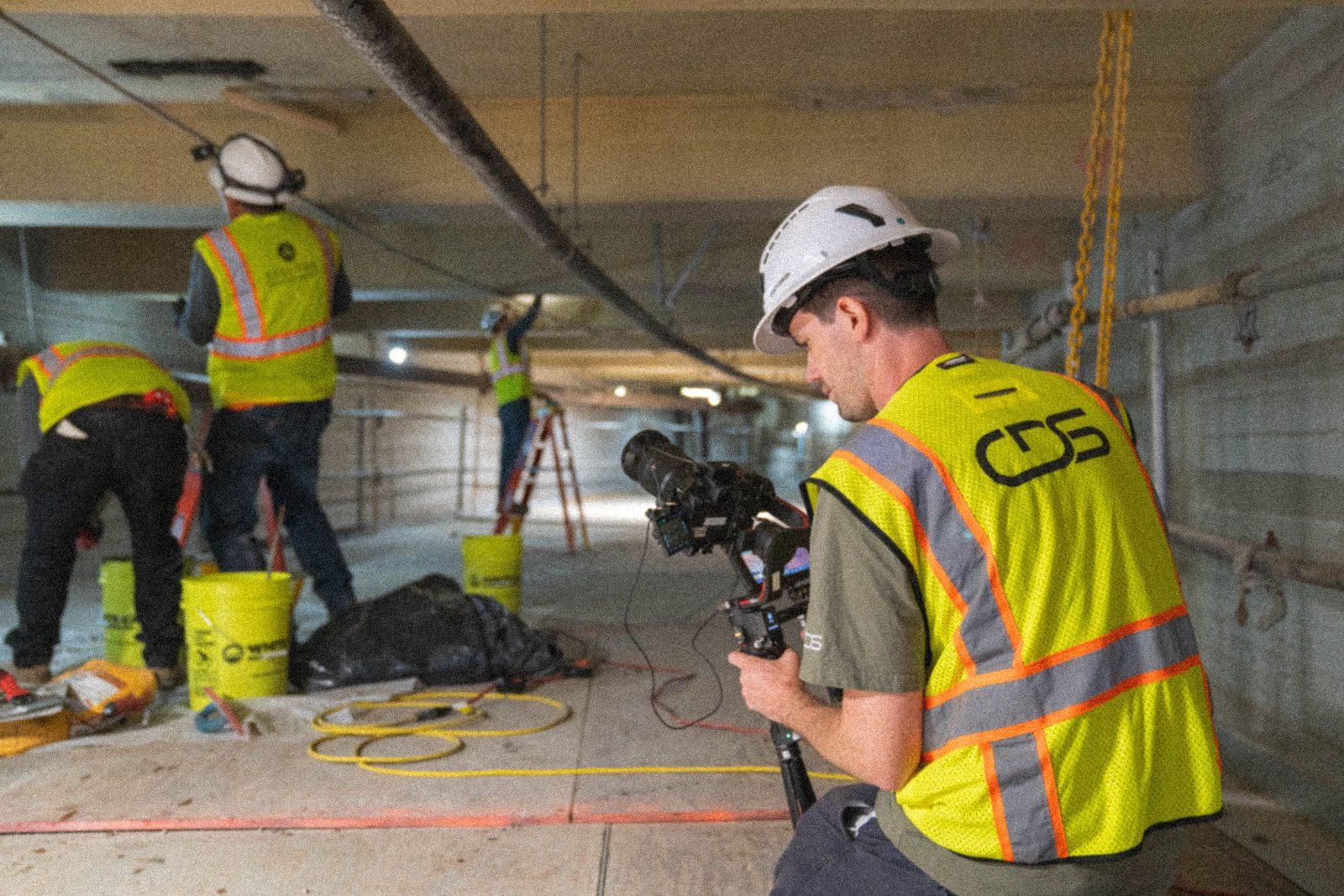
The reason contractors hesitate to put a camera on an active site is not the money. It is the morning.
Everybody has seen a crew that has never been on a site before. They stand in the swing radius. They ask the operator to run it again in a way that makes no sense. They want the excavator to stop for a shot. Two hours turns into a lost half-day, and the superintendent remembers that a lot longer than he remembers the video.
It does not have to go that way. A shoot on a live site should cost you a conversation at the gate and nothing else. Here is how that actually works.
Settle the credentials before anyone gets in a truck
This is a five-minute email that prevents a very bad Monday.
- Full PPE, brought by the crew and not borrowed out of your gang box — hard hat, hi-vis, safety glasses, boots, and hearing protection where you require it.
- OSHA 10 certification. Our crews carry it. Ask whether the crew you are considering does, and ask before you ask to see the reel.
- General liability and workers' compensation, with a certificate naming your GC or owner as additional insured, sent before mobilization instead of argued about at the gate.
- FAA Part 107 for anyone flying, the aircraft registered and broadcasting Remote ID, and airspace authorization handled ahead of time where the site sits in controlled airspace.
- Your site rules and orientation, handed over the same way you would hand them to a sub. A crew that complains about sitting through orientation has told you something important.
"CDS came out ready: they had their boots on, their vest, their glasses. They knew how close they could be to the machinery." — Jenna Farmer, Yancey Bros. Co.
Build the shoot around the work, not the other way around
The rule is simple: the job runs, the camera adapts.
That means a crew that shows up already knowing the sequence — what is getting poured, milled, set, or lifted, and roughly when — and gets in position for it instead of asking for it. If a task cannot be interrupted, it gets captured as it happens or on the next run. Nobody should be asking a paving crew to back up for a second take.
Send three things ahead of the shoot day and most of this solves itself:
- The day's actual sequence, even roughly. What starts at seven, what happens after lunch, what is weather-dependent.
- The parts of the site that are off limits, and why. Live power, a crane pick, an owner walking the job at ten.
- One point of contact who will be on site all day and can answer a question in ten seconds.
That last one is the highest-leverage thing you will do all week. A crew with somebody to ask never has to interrupt your superintendent to find out whether it is safe to stand somewhere.
Interviews are what actually cost you time
Filming the work costs a jobsite almost nothing. Pulling a person off the work costs real time, and that is where days get lost.
So plan the people separately from the machines:
- Pick the interviews in advance and get the person to agree. If your best superintendent has not said yes, you do not have a shoot day. You have a hope.
- Twenty to thirty minutes each, on site, in his own gear. No conference room, no half-day commitment, no trip anywhere.
- Ask questions instead of handing anybody a script. A scripted superintendent sounds like an actor and everyone can tell.
- Stack them. If a crew is already on site, three interviews cost barely more than one.
Most of your people are not natural on camera, and that is fine. The ones who did not want to do it usually sound the most honest, because they are not performing.
Where a crew should be standing
This is the part that separates people who have worked around heavy equipment from people who have only shot in a parking lot.
Know the swing radius and stay out of it. Know where the operator cannot see, and assume he cannot see you. Make eye contact before crossing behind a machine. Never walk under a suspended load for a shot, and never ask anybody else to.
The long lens exists for exactly this reason. A telephoto lets you shoot a machine working from a safe standoff distance, and it compresses a jobsite into something that looks better than the shot you would have gotten standing too close.
"Having CDS be so comfortable around heavy equipment really brings a peace of mind to us. Their heads are on a swivel, and they're not going to be a safety concern for us." — C.W. Matthews
The compliment worth aiming for is the one Yancey Bros. Co. gave us: sometimes they felt like they had to go looking for the crew, because we just kind of fit in.
Drone work on an active site
Aerials are close to standard on construction work now, and the rules have tightened.
Our pilots are FAA Part 107 certified and we handle the airspace authorizations where they are required — for most sites that runs through LAANC and takes a few minutes, but it has to be handled by somebody. Beyond the federal side, the site has its own rules, and plenty of general contractors and owners have a written drone policy. Ask for it and follow it.
The practical version: brief the crew before anything launches, do not fly over people who have not been briefed, stay clear of cranes and lift equipment, and pick a launch and recovery spot that is not in a traffic path. Flying first thing in the morning gets you better light and an emptier site at the same time.
Weather, delays, and a schedule that moves
Paving turns on a dime. Concrete does not wait for a forecast. Sites run two hours behind by ten in the morning as a matter of routine.
Any crew that works in this industry plans for that. Piedmont Paving books shoot days two to four days out, because that is when anybody knows what is actually running — three and a half years into the partnership, that is simply how it works. Weather reschedules should be penalty-free, because they come with the territory.
What you should not accept is a crew that treats a delay as a change order. If the day slips, the day slips. That is the business you are both in.
What one day on a live site should produce
If the day was run properly, you should not be getting one video out of it.
A production day on a site typically comes back as a main jobsite video, four or more vertical social cuts, and a set of edited photos. Recurring visits stack into progress films and time-lapse pieces. All of it tagged, so a clip from March is findable in seconds in November — and all of it yours, raw files included.
That is the real argument for doing this properly. You already committed the day. The difference between one usable asset and a dozen is planning, not gear.
The short version
Send the site rules and the certificate requirements before anyone mobilizes. Give the crew the day's sequence and one point of contact. Line up your interviews in advance and keep them short. Then let the work run.
Do that and a shoot on a live jobsite costs you a conversation at the gate. Do the opposite and it costs you a morning you will hear about for a year.
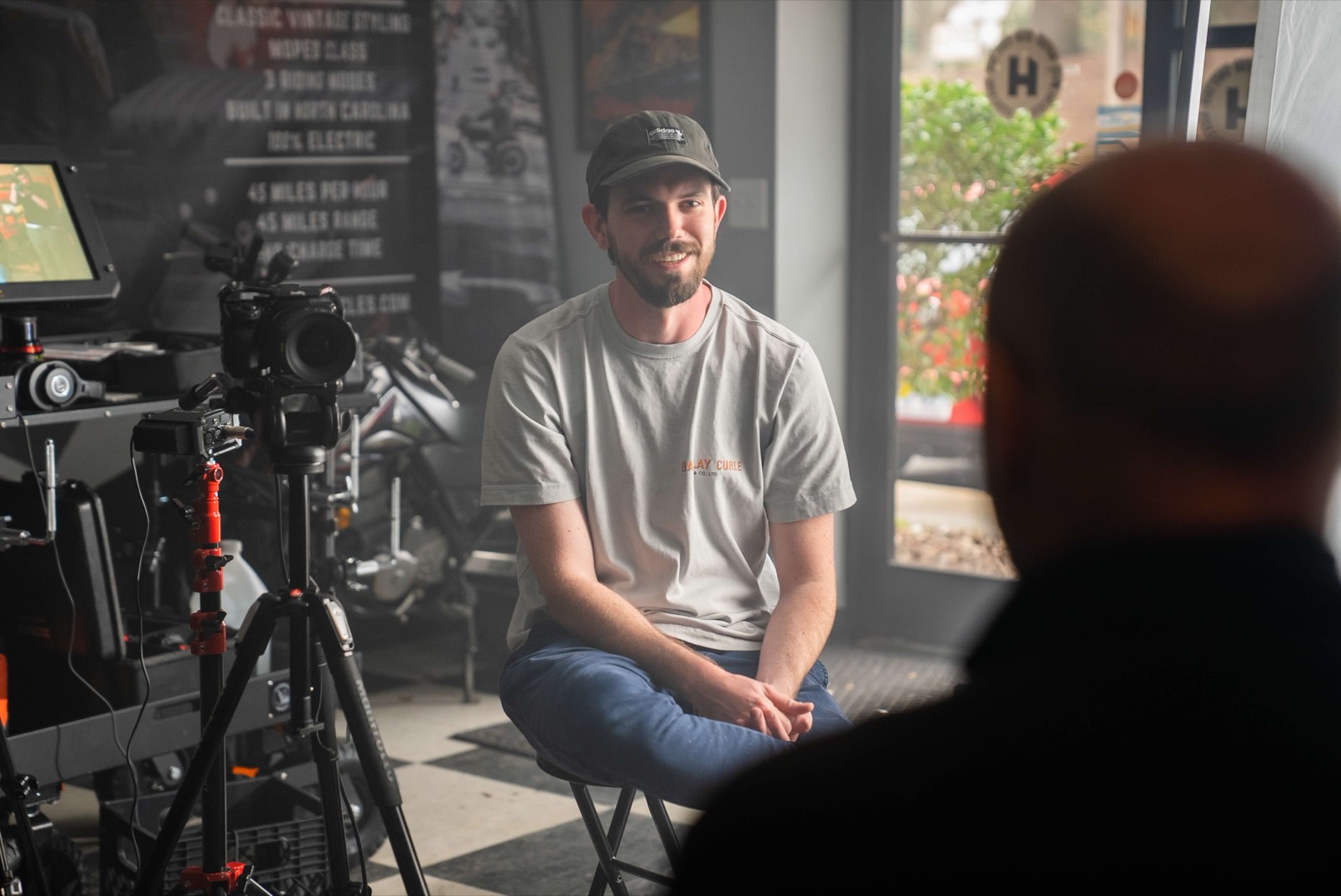
Why Testimonial Videos Are One of the Most Powerful Sales Tools for Industrial Companies
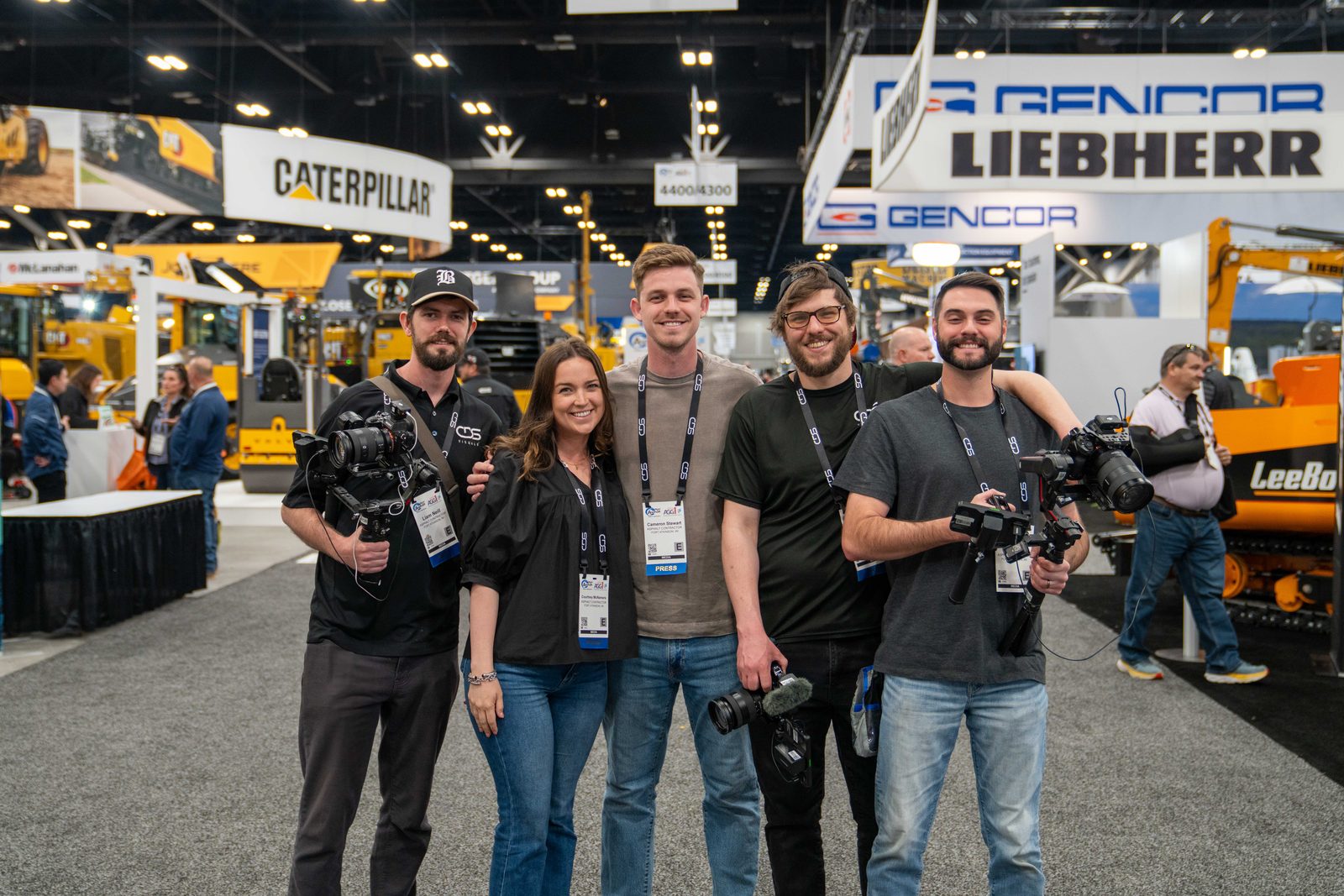
How to Hire the Right Production Team for Your Business
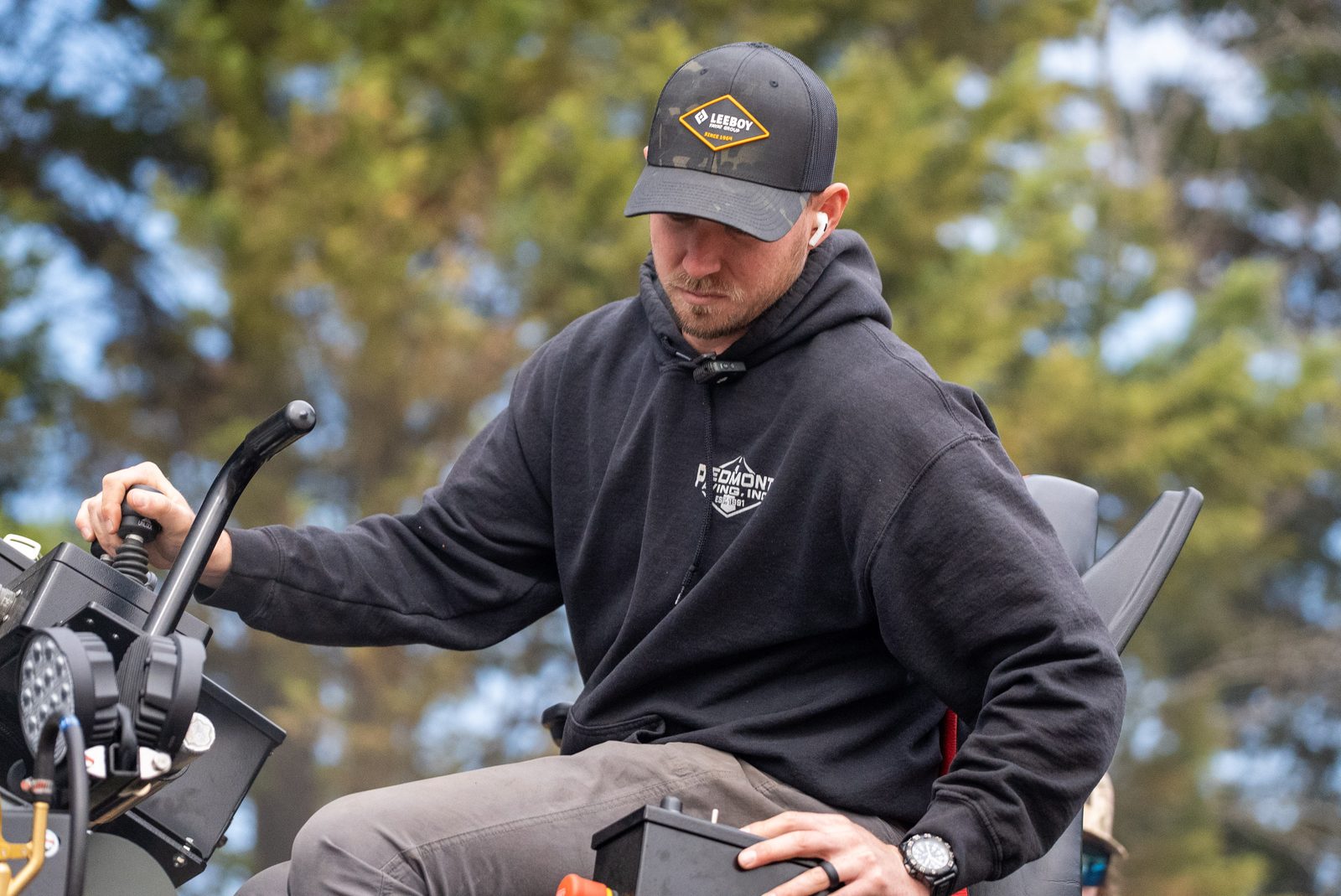
Best Marketing Video of 2024 — and Contractor of the Year the following year.

Fort Mill, SC 29708