
 All Case StudiesConstructionManufacturingEquipment DealersTrade Show
Why Testimonial Videos Are One of the Most Powerful Sales Tools for Industrial Companies
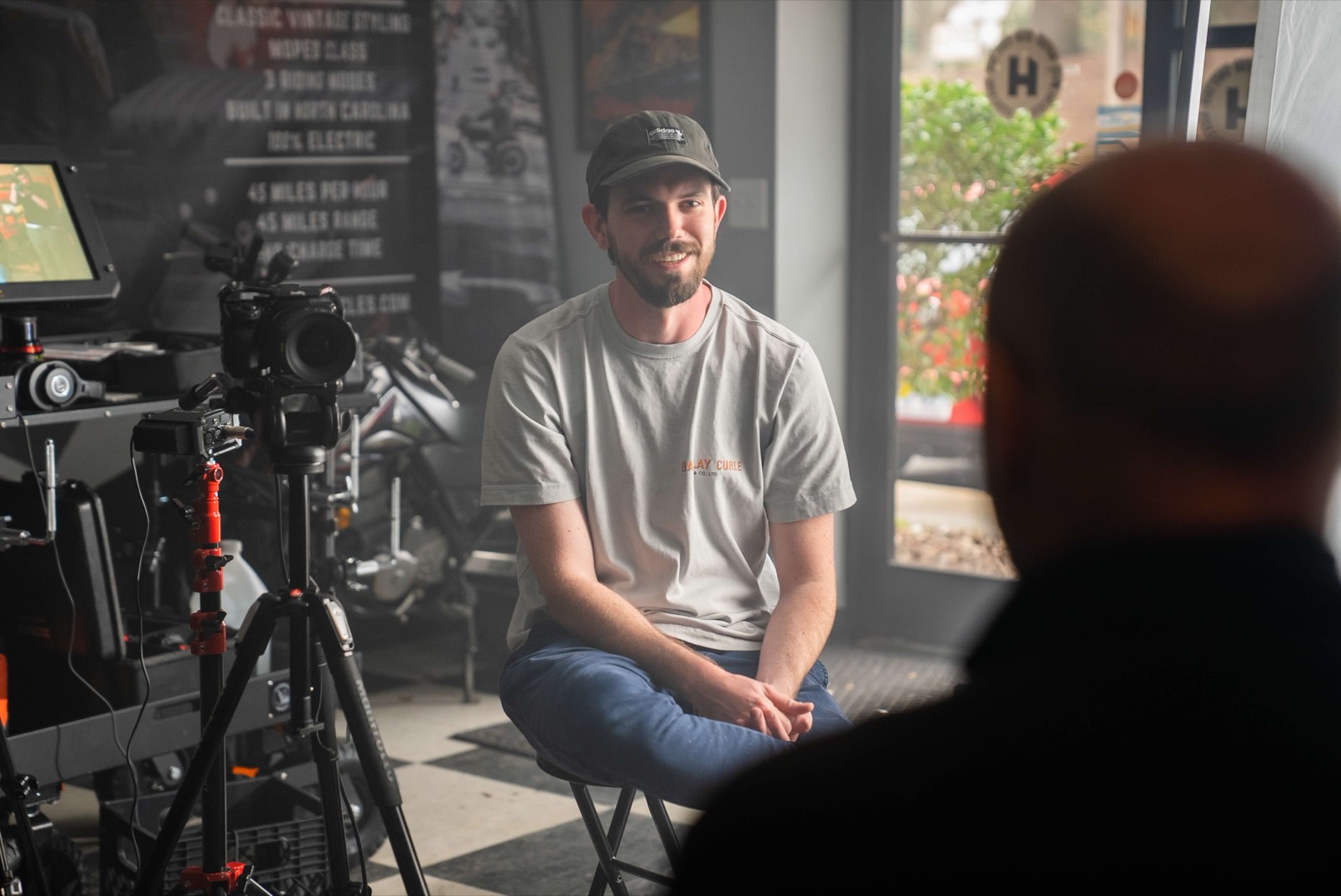
Nobody believes your brochure. They believe the guy running your machine.
In construction and manufacturing, a buyer is committing to equipment or a service that has to hold up in the field for years. Before he signs, he wants to hear from someone who already did it — someone with the same dirt on his boots.
That is the whole job of a testimonial video. Not a polished endorsement read off a card. A customer, standing on his own jobsite or shop floor, telling another buyer what actually happened.
Buyers trust operators, not marketing
Your marketing team can list every spec you have. The buyer discounts all of it, because he knows you are selling.
Put a superintendent, a shop manager, or a fleet director on camera and the math changes. He has nothing to gain by talking. He is just answering the questions your prospect is already asking:
- What was going wrong before
- Why he picked you over the other bid
- What the machine or the crew actually did about it
- What changed on his schedule, his uptime, or his headcount
- What he would tell someone else in his position
That is proof. Everything else is a claim.
Video carries the things a written review drops
A written quote on a website is fine. It is also anonymous, easy to write, and easy to ignore.
Video keeps the parts that make it believable:
- A real face and a real name badge
- The tone of a man who has run the thing for two seasons
- The plant or the jobsite behind him, working
- Your equipment in the background, in the mud, not on a turntable
- The pause before he answers a hard question
Industrial buyers do not buy on impulse. They buy after they stop worrying. A testimonial shot in the field is the fastest way to take the worry off the table.
Shoot it where the work happens
The single biggest upgrade you can make to a testimonial is the location. A conference room says nothing. An active site says everything.
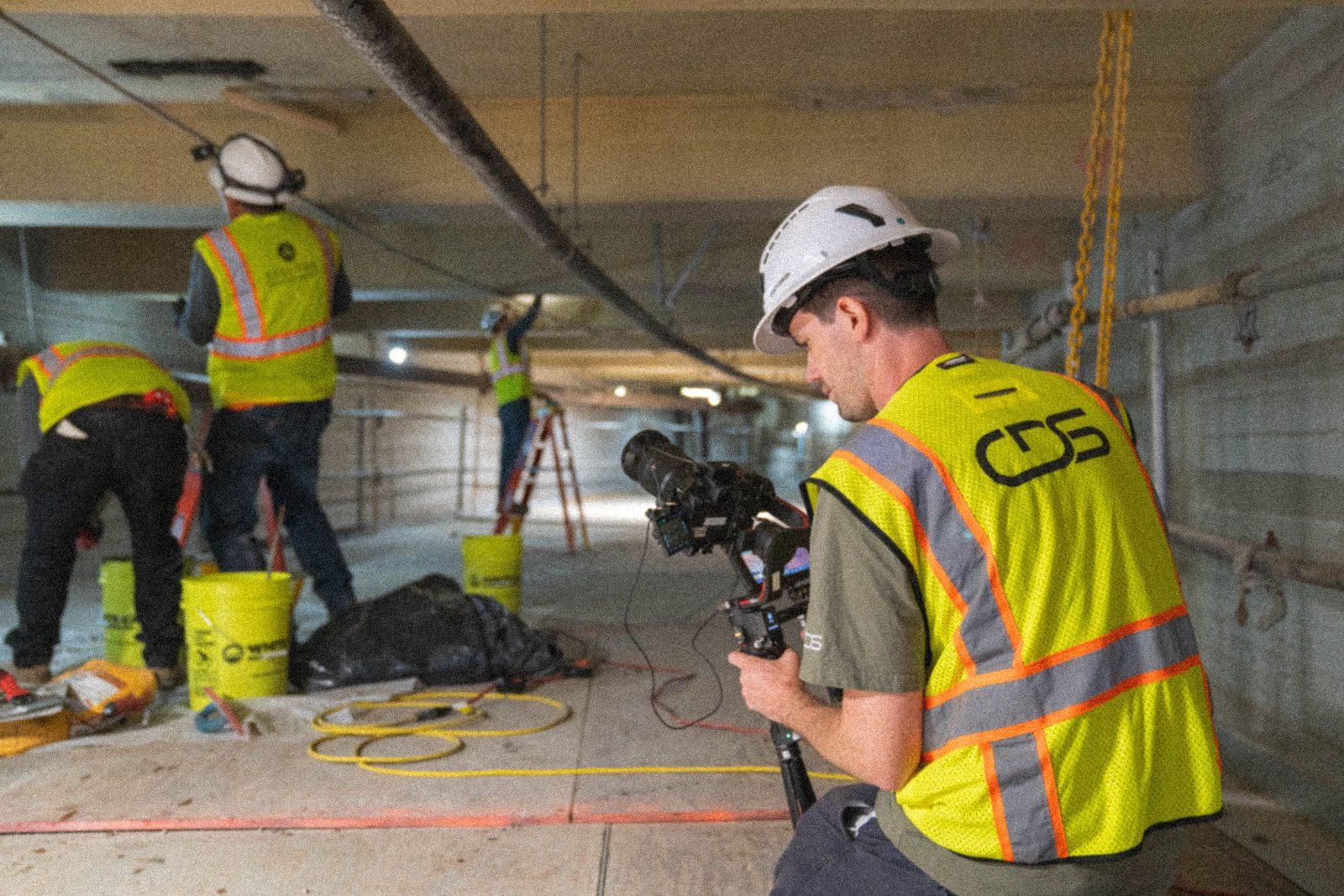
Filming on a live jobsite or a running shop floor gets you:
- Equipment in operation instead of parked
- Finished work in frame behind the speaker
- Crews doing what they actually do all day
- Ambient proof that the operation is real and busy
It also raises the bar on your crew. A production team that has never been on a site will slow your people down, stand in the wrong place, and burn a morning. One that has been there shows up with PPE on and works around you.
"CDS came out ready: they had their boots on, their vest, their glasses. They knew how close they could be to the machinery." — Jenna Farmer, Yancey Bros. Co.
If you are booking a shoot on an active site, ask the crew what their site safety plan is before you ask to see their reel.
Most of your people are not natural on camera. That is fine.
The best testimonial subjects are usually the ones who did not want to do it. They are also the ones who sound honest, because they are not performing.
Do not hand them a script. Ask a question and let them answer.
- What problem were you trying to solve?
- Why did you choose us?
- What has it been like since?
- What results have you seen?
- Would you tell someone else to do it?
Five questions, an hour of their time, and a crew that knows how to keep a nervous guy talking. That is the whole formula.
"It's never easy when you have a camera in front of your face, but they made people feel relaxed and ready to talk." — Laura Hickman, BrandSafway
Where the footage earns its keep
A testimonial is not a website decoration. It is a sales tool, and it works hardest when your reps actually send it.
Put it to work in:
- Follow-up emails after a discovery call, matched to the prospect's segment
- Proposals and bid packages
- The product page for the exact machine or service being discussed
- Booth loops and monitors at trade shows
- Dealer and distributor enablement, so their sellers have your proof too
- Recruiting, when the speaker is one of your own crew
Pair a testimonial with a product walkaround and you have covered both halves of the decision. The walkaround explains how it works. The testimonial confirms it works.
One filming day, years of use
Most marketing spends itself in a quarter. A testimonial does not. A good one is still closing deals three years later, because the story does not expire.
Plan the day accordingly. If you are already sending a crew to a customer site, line up two or three interviews, grab the b-roll of the equipment working, and shoot the stills while you are there. One trip should produce a long-form story, several short cuts for social, and a library of footage you can re-edit for the next campaign.
"The content library CDS Visuals has given us is so helpful — I go into it every week. It's so great to have in my back pocket all the time." — C.W. Matthews
The short version
Your buyer is trying to avoid a mistake. Nothing you say about yourself helps with that. Someone in his own trade, on his own site, saying it worked — that helps.
Ask your best customers. Shoot them where they work. Send the footage to the people who are still deciding.
How to Run a Shoot on a Live Jobsite Without Losing a Day
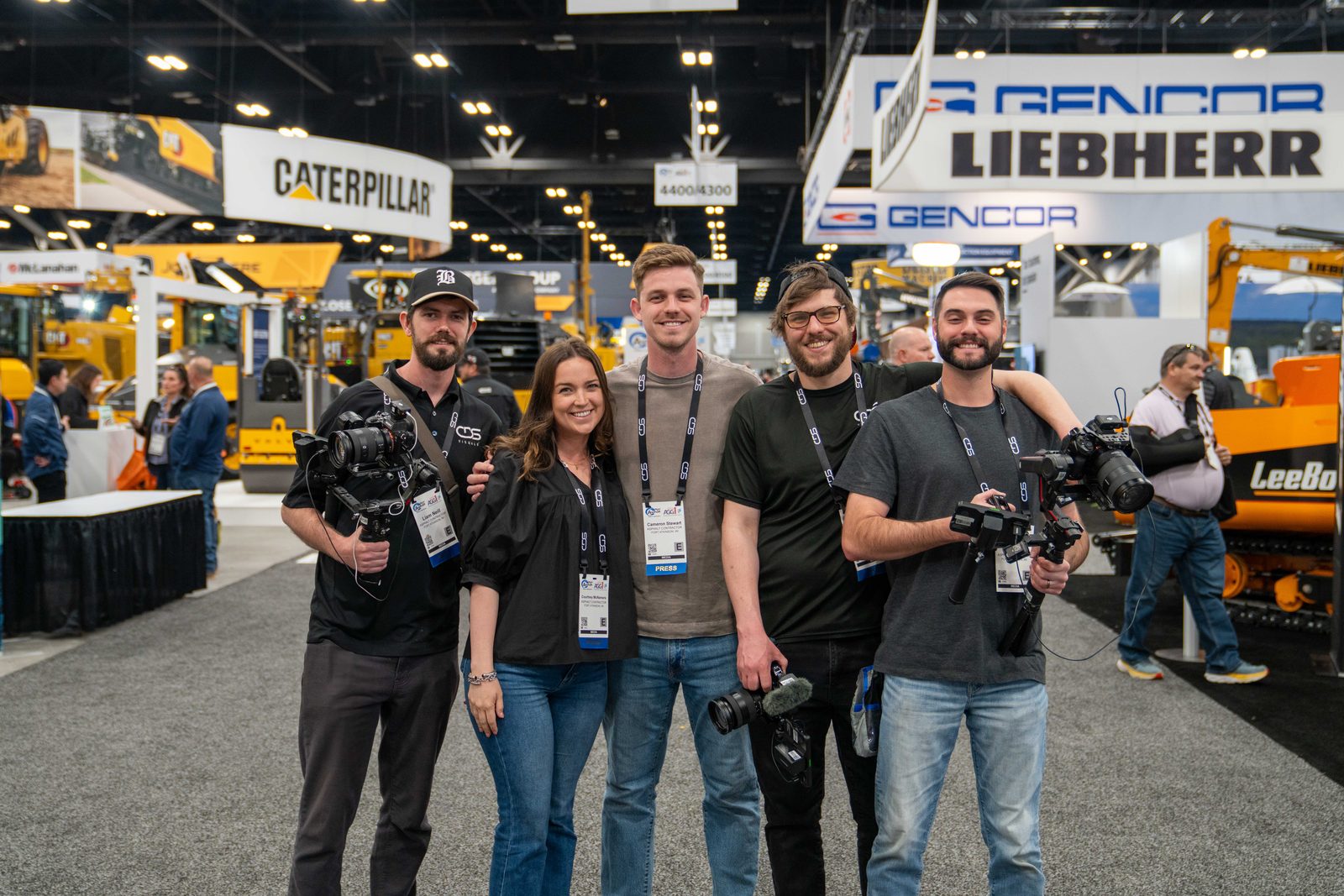
How to Hire the Right Production Team for Your Business
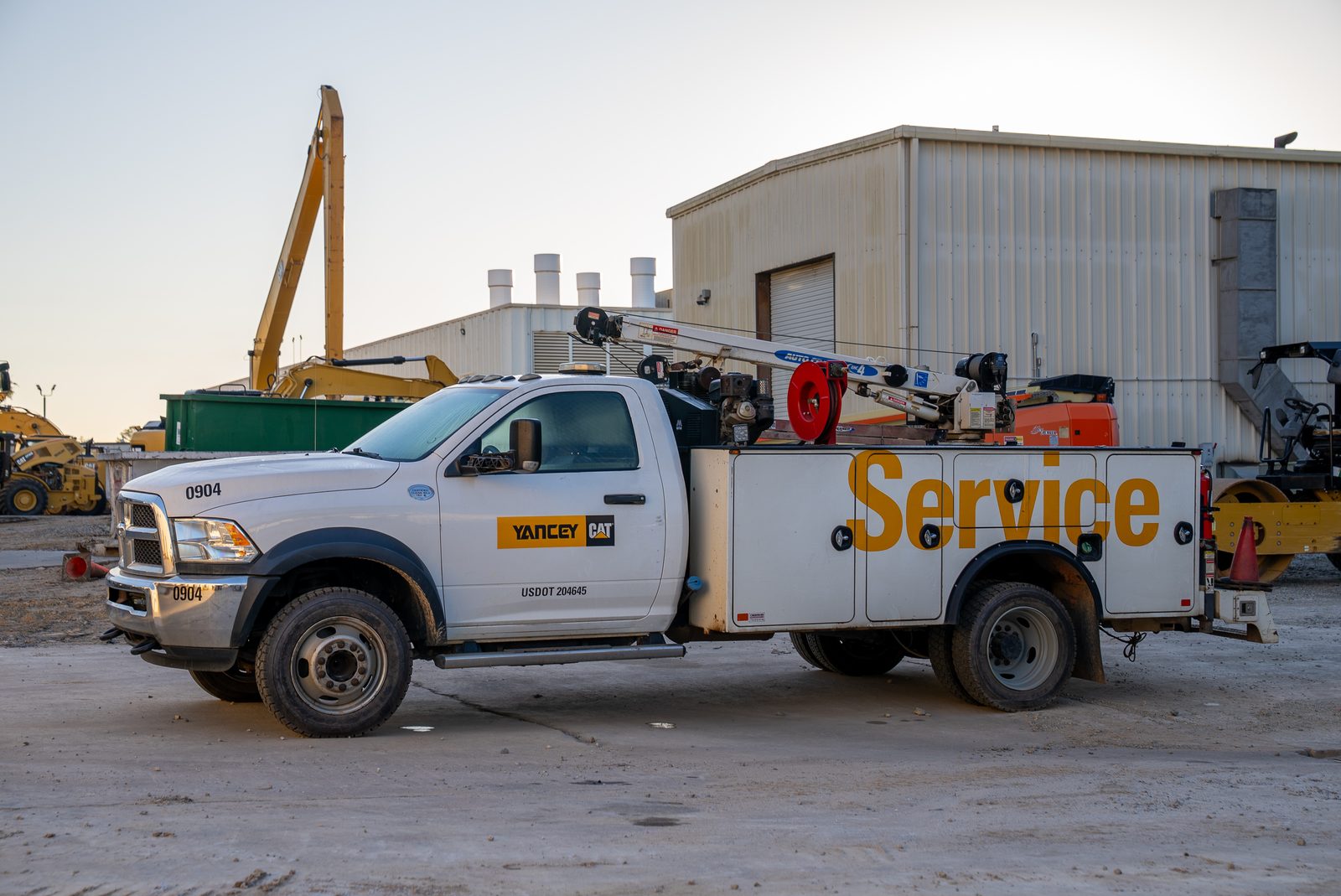
They vetted the vendors Caterpillar itself uses. They chose us.

Fort Mill, SC 29708