
 All Case StudiesConstructionManufacturingEquipment DealersTrade Show
How Trade Show Video Coverage Can 10x Your ROI
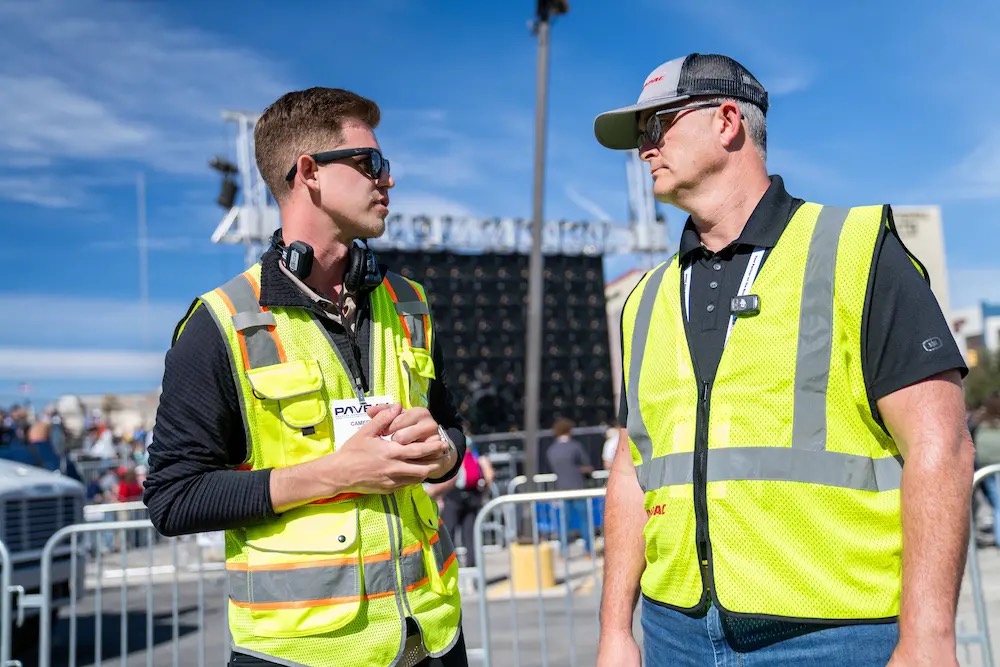
You shipped a machine across the country. You paid for the space, the freight, the rigging, the carpet, and a week of hotel rooms for your best people.
Then the show ends, the crates go back on the truck, and what you have to show for it is a stack of badge scans and a few phone photos.
That is the gap video coverage closes. The booth is a three-day asset. The footage is a twelve-month one.
What a covered show actually produces
A crew working your booth for the run of the show should come back with more than a highlight reel:
- Launch and reveal footage, shot while it is still news
- Live demo runs with real crowd reaction
- Customer testimonials from people who walked up on their own
- Interviews with your product people, on the floor, in front of the machine
- Booth and traffic coverage that proves the room was full
- Enough b-roll to cut social content until the next show
That is a year of posts, a set of sales assets, and proof for next year's budget conversation — all from a week you already paid for.
Speed is most of the value
The industry pays attention to a show for about a week. Content that posts three weeks later is an archive. Content that posts that night is marketing.
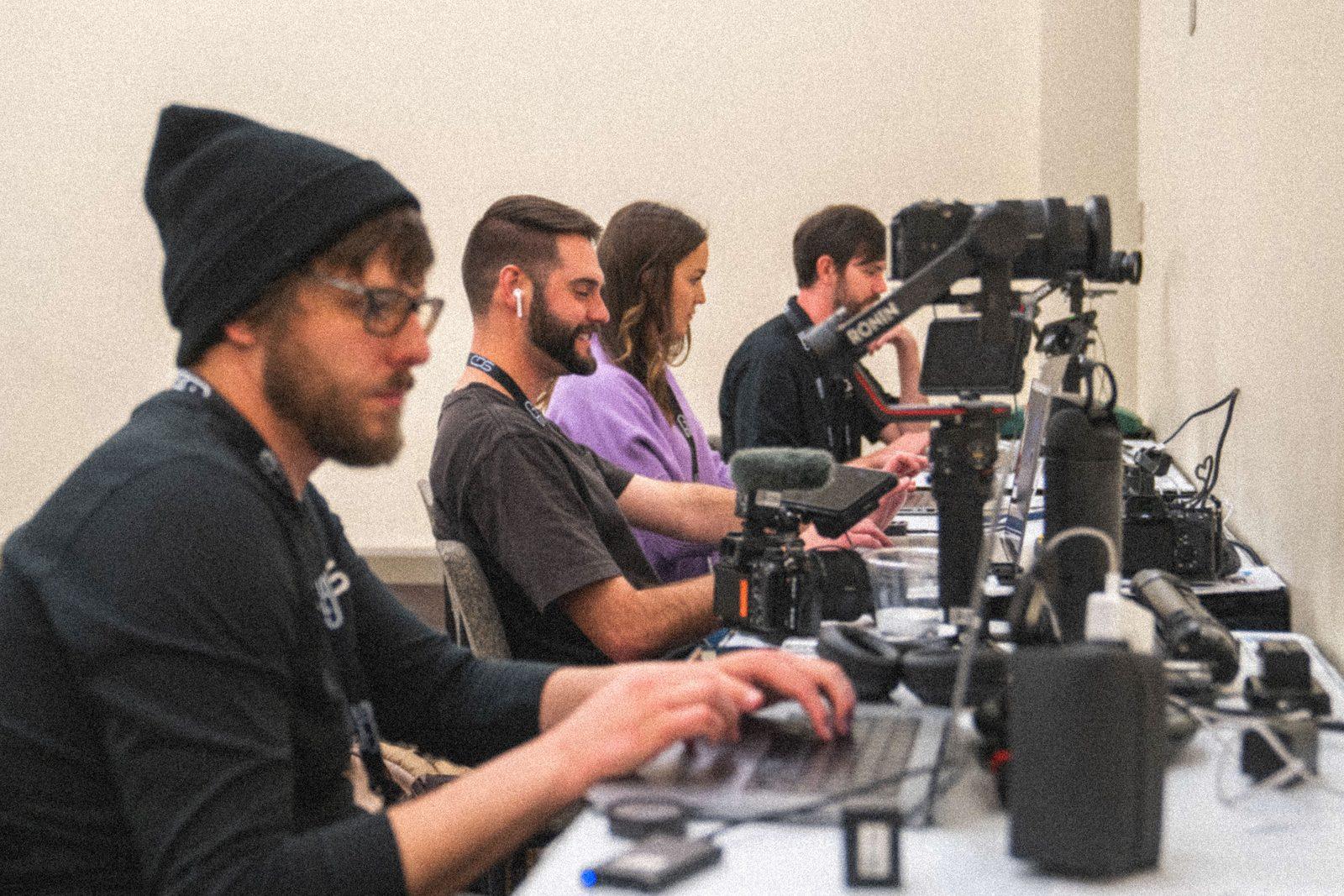
That means editing on site. A crew that shoots all day and cuts in the hotel that night is worth more than a better crew that delivers in a month.
"They produce epic videos on-site and edit them in time to be posted the same day." — Jessica Lombardo, Founder, PaveX Show (IronMarkets)
It also means your marketing lead is not the one doing it. Your people should be working the booth, not cutting clips on a laptop behind the demo unit.
"We're able to continue to stay on the floor while they're in the background posting all of the content." — Kristi Harris, Director of Marketing, LeeBoy
Video pulls people to the booth, too
Motion carries across a show floor. A silent loop of your machine working on a real site does more to stop traffic than a banner, because everyone walking past knows what that site looks like.
Keep booth loops short, silent, and legible from twenty feet. Big subject, minimal text, no narration you cannot hear over the ambient noise anyway. Ninety seconds is plenty.
The point is not to hold someone for the whole loop. It is to slow him down long enough for one of your people to say hello.
The people who did not come are the bigger audience
Most of your market is not at the show. They are on a jobsite, and they are watching the show on their phone at lunch.
Same-day content reaches those people while they are envious. That is a real emotion in this industry and it is worth marketing to.
"One of my main objectives was to make people jealous that they weren't there at the show." — Laura Hickman, BrandSafway
Plan the content before you plan the carpet
Most show footage is wasted because nobody decided what it was for until after it was shot.
Before you go, lock down:
- The two or three messages the show is supposed to land
- Which customers you will ask for an on-camera testimonial, and when
- Demo times, so the crew is in position and not chasing
- Who from your team is available for an interview, and what they will be asked
- What ships out the same day versus what gets cut later
Ask your customers for the testimonial before the show, not on the floor. People say yes in an email and freeze when a camera appears in the aisle.
Shooting on a show floor is its own skill
It is loud, the lighting is mixed and terrible, the space is tight, and you cannot control any of it.
Practical rules that hold up:
- Wired lavs on interviews. Ambient noise will eat a shotgun mic in an exhibit hall.
- Set a dedicated interview corner in the booth with a controlled background.
- Burn in captions. Most of this footage gets watched with the sound off.
- Shoot demos from two angles so the edit is not locked to one take.
- Get permission before you put an attendee's face in a post.
None of this is exotic. It is just the difference between usable footage and a folder you never open.
After the show is where the return is
The work does not end when the truck leaves.
Cut the footage into the formats you will actually use: a recap for the website, short vertical clips for social, the testimonials as standalone sales assets, demo segments for the product pages, and a loop for the next booth. Then schedule the release over the following quarter instead of dumping it all in one week.
Track it honestly. Views are the least interesting number. Look at which clips your reps forwarded, which ones produced booth-adjacent conversations at the next show, and how many of the leads you closed had watched something first.
The short version
You already committed to the biggest expense on the marketing calendar. Coverage is the small addition that keeps it working after the aisles empty.
Decide what you want out of the show, shoot it while it is happening, post it the same day, and cut the rest all year.
The Complete Guide to Trade Show Video Production
How Heavy Equipment Dealers Market Parts and Service With Video
A hype video out by Friday — and 12x the return on one trade show.

Fort Mill, SC 29708